Darknet Markets 2026:
The dark web is part of the deep web but is built on darknets: overlay networks that sit on the internet but which can't be accessed without special tools or software like Tor. Tor is an anonymizing software tool that stands for The Onion Router — you can use the Tor network via Tor Browser.
| Darknet Market | Established | Total Listings | Link |
|---|---|---|---|
| TorZon Market | 2022 | 140+ | Onion Link |
| Nexus Market | 2024 | 600+ | Onion Link |
| Abacus Market | 2022 | 100+ | Onion Link |
| Ares | 2026 | 100+ | Onion Link |
| Cocorico | 2023 | 110+ | Onion Link |
Updated 2026-10-22
How to Find and Use a Good Darknet Market
Accessing the darknet requires a specific gateway, which is a dark web link. These links, often called onion addresses, use the .onion top-level domain and are only accessible through the Tor Browser. This browser routes your connection through multiple encrypted layers, anonymizing your network traffic. The primary method for finding current and functional dark web links is through darknet directories and forums.
Several dedicated sites aggregate verified onion links. These directories operate on the clear web or as their own onion services, providing categorized lists. For a more community-driven approach, specialized darknet forums are essential. Users there share and vet links, discussing the uptime and reputation of various markets. This peer-review process is crucial for identifying trusted darknet markets and avoiding phishing sites or scams.
A reliable darknet market functions as a platform for anonymous commerce. Its core features facilitate secure shopping:
- A searchable catalog with detailed product listings and vendor profiles.
- An integrated escrow system that holds cryptocurrency until the buyer confirms receipt.
- A feedback and review system where users rate vendors and products, creating transparency.
- Encrypted messaging for direct communication between buyers and sellers.
The combination of these elements creates an efficient ecosystem. Buyers can make informed decisions based on historical vendor performance and community feedback. Payments are finalized only upon satisfactory completion of the trade, which significantly reduces fraud. The entire process is designed to protect the privacy and security of all participants, enabling a discreet and direct form of trade.
How a Darknet Makes Shopping for Drugs Safe and Easy
Access to a darknet market begins with obtaining a reliable dark web link, typically a .onion address distributed through dedicated forums and link repositories. These links serve as gateways to platforms that function with a structure similar to conventional e-commerce sites, but are designed for anonymous trade. The operational model is built on three core pillars: cryptocurrency payments, an escrow system, and a feedback-driven reputation mechanism.
Markets list products in categorized directories, from pharmaceuticals to digital goods. A buyer selects an item, and the platform's software automatically places the payment into escrow. This means the cryptocurrency is held by the market until the buyer confirms receipt. The seller then ships the product. Upon successful delivery, the buyer finalizes the transaction, releasing funds from escrow to the seller. This process minimizes fraud for both parties.
The sustainability of a market depends directly on its perceived trustworthiness. Users assess this through:
- Detailed vendor reviews and historical ratings.
- Forum discussions verifying the legitimacy of the market's dark web link.
- The market's own features, such as multi-signature escrow options that reduce dependency on the platform's administrators.
This ecosystem creates a self-regulating environment where secure shopping is facilitated by transparency between users and technological enforcement of fair exchange, all while maintaining privacy through encryption and anonymous networks.
Using Reviews to Find Good Vendors on the Darknet
The functionality of user reviews on a darknet market is its primary mechanism for establishing trust and quality assurance. Unlike traditional e-commerce, these platforms operate without legal recourse, making community-driven verification indispensable. A product listing with a high volume of positive reviews, often detailing the purity, shipping speed, and stealth packaging, provides a reliable metric for buyer decision-making.
Reviews are typically tied to a user's account history, creating a reputation system. Vendors accumulate feedback scores, which directly influence their visibility and sales. This system incentivizes consistent product quality and honest trade practices. Buyers should prioritize products from vendors with a long-standing, high-positive feedback history, as this indicates reliability over time and reduces the risk of fraud.
The review process itself is straightforward. After a transaction is finalized and the product is received, the buyer can leave a rating and detailed comments. Key elements often highlighted in reviews include:
- The accuracy of the product description versus what was received.
- The efficiency and discretion of the shipping method.
- The quality and potency of the product itself.
- The vendor's communication responsiveness.
This collective intelligence allows the market to self-regulate, effectively filtering out unreliable sellers and highlighting those who provide a superior service. Therefore, a diligent analysis of user feedback is not just recommended but is a fundamental step for secure and satisfactory procurement on any darknet platform.

Private and Secure Payments on the Darknet
Transactions on a darknet market rely on cryptocurrency, primarily Monero (XMR) and Bitcoin (BTC). These digital currencies provide a necessary layer of financial privacy by separating transactional activity from real-world identities. Monero offers superior anonymity through its obfuscated ledger, making it the preferred choice for discreet purchases. Bitcoin transactions are public but can be anonymized through mixing services and the use of fresh wallets.
The process is direct. A buyer funds their market wallet, and upon order placement, the required amount is transferred to the market's escrow system. This holds the cryptocurrency securely until the buyer confirms satisfactory receipt of the product. Only then is the payment released to the seller. This method eliminates the risk of direct, irreversible payments to unknown parties and establishes a foundation of trustless trade.
Secure payment practices are fundamental:
- Never send cryptocurrency directly from an exchange to a market wallet.
- Use an intermediate, private wallet to break the chain of analysis.
- Verify the market's deposit address meticulously to avoid clipping or theft.
How Escrow Makes Buying on the Darknet Safe and Easy
The escrow system is a fundamental security feature on trusted darknet markets, designed to build trust between anonymous parties. It functions as a neutral holding service for cryptocurrency during a transaction. When a buyer places an order, their funds are locked in the market's escrow account. The seller is notified to ship the product, but they do not receive payment immediately.
This mechanism protects the buyer by ensuring they must finalize the order only after confirming receipt and quality of the product. Conversely, it protects the seller from fraudulent chargebacks, as the funds are already secured and guaranteed upon buyer confirmation. Disputes are handled by the market's administrative staff, who review communication and evidence before releasing the escrowed funds to the appropriate party.
The process typically follows these steps:
- Buyer selects a product and sends payment to the market's escrow service.
- Seller is alerted and dispatches the order.
- Buyer receives the order and marks it as received in the system.
- The escrow automatically releases the cryptocurrency, minus the market fee, to the seller's wallet.
This model creates a self-regulating environment where vendor reputation, built through consistent successful escrow releases, becomes a key metric for buyers. It effectively reduces the risk of financial loss and fosters a more reliable platform for anonymous trade, making the procurement of goods a more predictable and secure process.
How Privacy Makes Buying and Selling in the Darknet Safe
The foundation of any darknet market is its privacy infrastructure. This system is not optional; it is the essential feature that enables secure commerce. Privacy is achieved through a combination of technological tools and user discipline.
The primary tool is The Onion Router (Tor) network. Tor encrypts and routes a user's connection through multiple volunteer-run servers, obscuring the original IP address and making traffic extremely difficult to trace. Accessing a market requires its specific .onion URL, a string of characters only reachable through the Tor browser.
Beyond Tor, cryptocurrencies like Monero (XMR) and Bitcoin (BTC) provide financial anonymity. Monero offers superior privacy by obfuscating transaction details on its blockchain, while Bitcoin requires additional steps like using a personal wallet and coin mixers to break the transaction trail. Direct transactions between buyer and seller are discouraged due to fraud risk; instead, funds are held in a market-controlled escrow system until the order is finalized.
User operational security (OpSec) is the final, critical layer. This involves:
- Using a dedicated, secure operating system like Tails.
- Never reusing usernames or passwords across different platforms.
- Employing PGP encryption for all sensitive communication, including shipping addresses.
- Verifying the market's PGP-signed proof of ownership message to avoid phishing sites.
This multi-layered approach creates a protected environment. Sellers can list products without revealing their location or identity, and buyers can procure items with a significantly reduced risk of exposure. The efficiency of this anonymous trade model is directly proportional to the rigor with which these privacy protocols are maintained by all parties.
How the Darknet Makes Buying Drugs Efficient and Reliable
The operational model of a darknet market is fundamentally an exercise in logistical efficiency. By leveraging cryptographic tools and decentralized currency, these platforms streamline commerce to a degree that rivals, and in some aspects surpasses, traditional e-commerce. The core mechanism enabling this is the automated escrow system. Upon placing an order, a buyer's cryptocurrency is held by the market's software in a neutral, third-party wallet. This automated process eliminates the need for a trusted human intermediary, reducing transaction costs and the potential for human error or bias.
This automation extends to the finalization of a trade. Once the buyer confirms receipt and satisfaction with the product, a single command releases the funds from escrow to the seller. This creates a swift and predictable settlement cycle. The entire process is facilitated by cryptocurrency transactions, which are irreversible and settle on the blockchain within minutes, regardless of the geographical location of the parties involved. This removes the delays associated with international bank transfers or payment processors.
The efficiency is further amplified by the platform's design as a centralized aggregator of vendors and listings. A user can compare products, prices, and vendor reputations from thousands of sellers in a single, searchable interface. The integrated user review and rating system provides immediate, crowdsourced quality control, allowing buyers to make informed decisions quickly based on historical performance data. This concentration of information and services within one access point minimizes the time and effort required for product discovery and vetting, creating a highly efficient marketplace for anonymous trade.
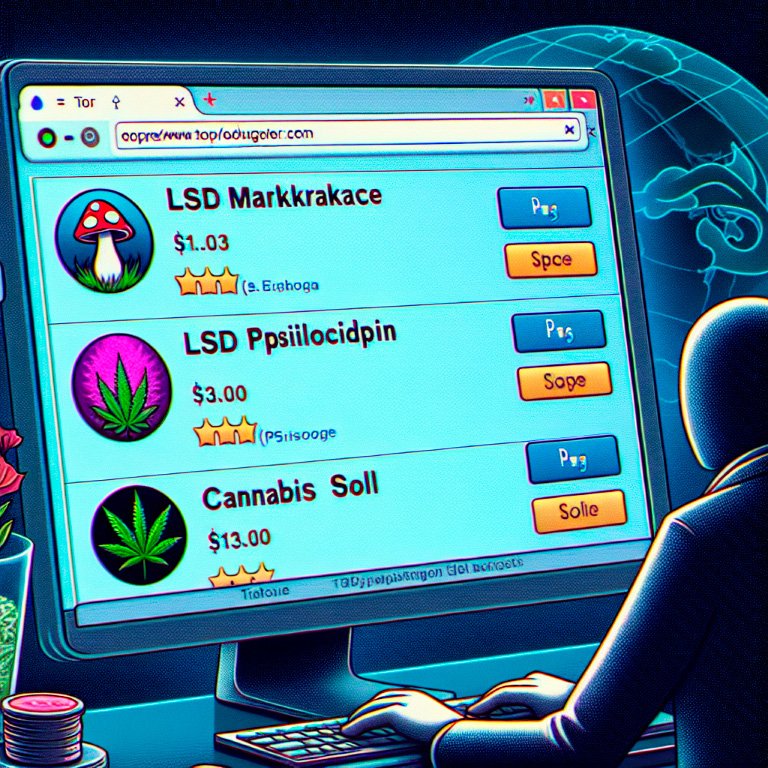
How Darknet Markets Work: Listings, Escrow, and User Reviews
Accessing a darknet market begins with obtaining a reliable dark web link, typically a .onion URL distributed through dedicated link repositories or forums. These portals serve as the gateway to platforms designed for efficient anonymous commerce. A trusted market's interface prioritizes user experience, featuring a clean layout with a search bar, categorized product listings, and advanced filters for price, vendor reputation, and shipping origin. This organization transforms a vast catalog into a navigable digital marketplace.
Product listings are detailed, containing high-resolution photographs, precise weight or unit specifications, and transparent pricing in Bitcoin or Monero. The escrow system is a core feature, automatically holding the buyer's cryptocurrency until order completion, which incentivizes honest vendor behavior and ensures transactional security. User reviews and vendor ratings are integral, providing crowdsourced verification of product quality and shipping reliability. A market's robustness is often measured by its forum integration, where community discussions offer deeper insight into vendor trustworthiness and operational security practices beyond simple product feedback.
Features like two-factor authentication (2FA), PGP-encrypted messaging, and a clear privacy policy are standard indicators of a platform's commitment to security. The most resilient markets operate with a no-logs policy, minimizing data retention to protect user identities. Ultimately, the architecture of a leading darknet market facilitates a secure and streamlined shopping experience by integrating escrow, feedback, and privacy tools directly into the browsing and purchasing workflow.