Darknet Markets 2026:
The dark web is part of the deep web but is built on darknets: overlay networks that sit on the internet but which can't be accessed without special tools or software like Tor. Tor is an anonymizing software tool that stands for The Onion Router — you can use the Tor network via Tor Browser.
| Darknet Market | Established | Total Listings | Link |
|---|---|---|---|
| TorZon Market | 2022 | 140+ | Onion Link |
| Nexus Market | 2024 | 600+ | Onion Link |
| Abacus Market | 2022 | 100+ | Onion Link |
| Ares | 2026 | 100+ | Onion Link |
| Cocorico | 2023 | 110+ | Onion Link |
Updated 2026-10-22
Easy Access to Reliable Darknet Markets
Finding a reliable darknet market is the first step for a secure transaction. Users typically rely on specialized darknet market links aggregated on clearnet forums or through dedicated link lists. These directories provide updated .onion URLs, as market addresses change frequently for security. A stable link is a primary indicator of a market's operational health and administrative diligence.
Once access is gained, evaluating the market's structure is crucial. A well-organized platform features:
- Advanced search filters and categories for efficient browsing.
- A robust, automated escrow system that holds cryptocurrency until the buyer confirms receipt.
- Active community forums where users discuss vendors and products.
Vendor selection follows market verification. Trust is built through transparent metrics displayed on each vendor's profile. Key metrics include:
- Transaction count and overall positive feedback percentage.
- Detailed peer reviews describing product quality, shipping speed, and stealth.
- A clear history of finalized escrow transactions, indicating successful completions.
Secure shopping is facilitated by the integrated use of cryptocurrency and encryption. Bitcoin and Monero are standard, with Monero offering enhanced privacy due to its opaque blockchain. Communication occurs via encrypted PGP messages within the market's system, ensuring address details and order specifics remain confidential between buyer and seller. This combination of a verified marketplace, a reputable vendor with a proven track record, and proper use of privacy tools creates a streamlined and secure purchasing environment.
How Reviews Make Buying Drugs on the Darknet Safer
The foundation of a functional darknet marketplace is a transparent and reliable feedback system. Peer reviews serve as the primary mechanism for establishing trust and reputation in an anonymous environment. A vendor's history, built through consistent positive feedback, acts as a direct indicator of their reliability and product quality. Buyers actively contribute to this system by leaving detailed reviews after a transaction is finalized, which typically includes comments on the product's stealth packaging, accurate weight, and purity.
This collective intelligence allows new buyers to make informed decisions by analyzing patterns in feedback rather than relying on a single comment. Markets often structure this data with features like:
- A visible vendor score (e.g., 4.95/5 based on 500 transactions)
- Separate ratings for product quality, communication, and shipping
- Verification badges for long-standing, highly-rated vendors
The system creates a self-regulating economy where vendors are financially incentivized to maintain high standards. A seller with a strong reputation can command higher prices and secure more sales, while one with negative feedback quickly loses business. This organic process of peer verification effectively reduces the risk of scams, as fraudulent vendors are identified and avoided by the community, ensuring a more secure shopping experience for all participants using cryptocurrency.
How Escrow Keeps Your Darnet Purchases Secure
The escrow system is a fundamental component for secure transactions on reputable darknet markets. It acts as a neutral third-party service that holds the buyer's cryptocurrency payment until the ordered goods are received and confirmed. This mechanism directly addresses the inherent trust deficit in anonymous environments, preventing common frauds like vendors accepting payment but never shipping the product.
When a purchase is made, funds are locked in the market's escrow. The vendor sees the secured payment and is incentivized to ship the order. Upon delivery, the buyer finalizes the transaction, releasing the funds from escrow to the vendor. If a dispute arises, such as non-delivery or substandard quality, the market's dispute resolution team mediates. They review evidence from both partieslike shipping proofs or product photosbefore adjudicating the release of funds.
This system creates a balanced and secure framework:
- Buyers gain confidence to shop, knowing their funds are protected until satisfaction.
- Vendors with consistent good service build a positive reputation score and receive prompt payments.
- The market itself benefits from reduced fraud, fostering a stable and trustworthy trading ecosystem that attracts more users.
Effective escrow, combined with a transparent peer review system, forms the backbone of a reliable darknet marketplace. It transforms anonymous trade from a high-risk gamble into a structured commercial activity with clear safeguards for all participating parties.
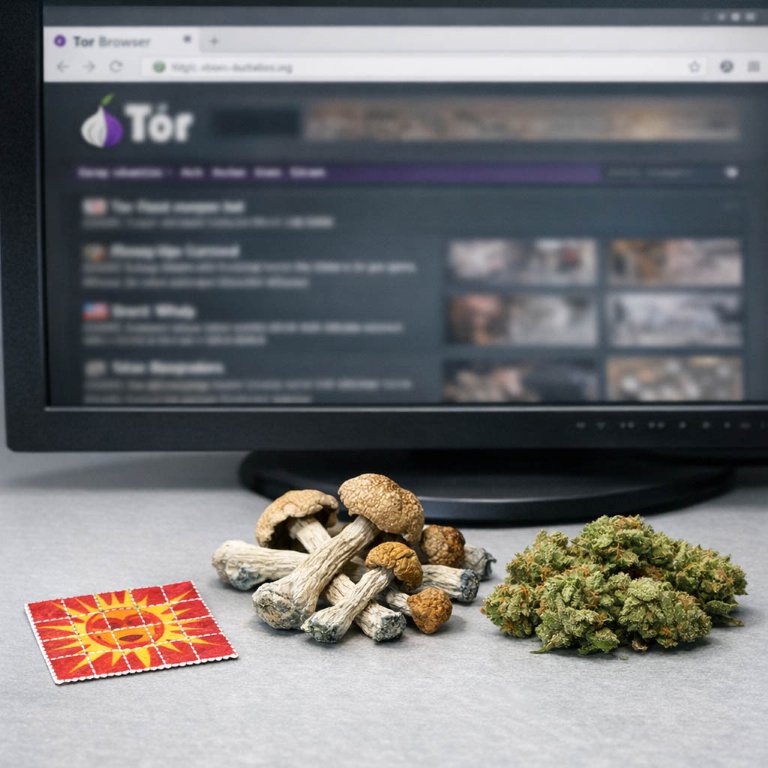
Secure Chat for Safe Darknet Deals
Encrypted messaging systems are a fundamental component of secure darknet commerce. These private communication channels operate independently of the main marketplace listings and order systems, creating a separate, secure layer for dialogue. The primary function is to enable direct and confidential negotiation between a buyer and a vendor without the conversation being logged on the public product page.
This privacy serves several practical purposes. Buyers can ask specific questions about product quality, shipping methods, or custom orders. Vendors can provide tracking information or handle sensitive customer service issues discreetly. The use of strong encryption, typically PGP (Pretty Good Privacy), ensures that only the intended recipient can read the message, protecting the content from interception by third parties, including marketplace administrators.
The integration of encrypted chat directly influences trust and safety. It allows for the verification of a vendor's identity through PGP-signed messages, confirming that the person responding is the legitimate account holder. This direct line facilitates clearer agreements, reduces misunderstandings that can lead to disputes, and ultimately supports the efficient and discreet resolution of transactions, which is essential for a smooth shopping experience on the darknet.
How Crypto Makes Buying on the Darknet Private and Fast
Cryptocurrency transactions are fundamental to the darknet marketplace ecosystem, providing a layer of financial privacy and operational efficiency that traditional payment systems cannot offer. The use of currencies like Monero (XMR) and Bitcoin (BTC) allows for pseudonymous transfers, meaning personal banking details are never exposed during a purchase. This separation between a user's legal identity and their transaction history is a primary advantage, reducing the risk of financial profiling.
The speed of cryptocurrency settlements, especially with coins designed for fast block times, facilitates a quicker order processing cycle. Vendors can confirm receipt of funds within minutes, allowing them to proceed with packaging and shipping without the delays associated with bank verifications or international money transfers. This efficiency benefits the buyer by providing faster service and the seller by improving cash flow. For optimal privacy, markets and vendors increasingly recommend Monero due to its opaque blockchain, which obscures transaction amounts and participant addresses far more effectively than the transparent Bitcoin ledger.
When evaluating a market for secure shopping, the integration of cryptocurrency goes beyond simple acceptance. A well-designed platform will provide:
- A clear, on-site wallet system with direct deposit addresses.
- Transparent fee structures for transactions.
- Guidance on recommended cryptocurrencies for enhanced privacy.
- Automatic encryption of wallet addresses and transaction details in escrow.
This infrastructure ensures that financial interactions remain within the secure environment of the marketplace, protected by its encryption and operational security protocols. The combination of cryptographic payment methods with other trust-building features like escrow and reviews creates a streamlined commercial environment where privacy and speed are inherent to the transaction process.
Forum Tips for Safer Darknet Shopping
Community forums are the central nervous system of the darknet ecosystem, transforming individual transactions into a collective knowledge base. They function as real-time archives where buyer experiences and vendor reliability are continuously documented and debated. A new user seeking a secure shopping experience with cryptocurrency does not need to rely on guesswork; they can access a wealth of peer-generated data that directly informs their decisions.
The process is systematic. A prospective buyer will first visit a forum related to their desired product category. There, they can search for specific vendor names or marketplaces. The most valuable information comes from detailed reviews, which typically include:
- The exact product quality and weight accuracy.
- The shipping speed and stealth packaging methods.
- The vendor's communication quality and professionalism.
- The successful completion of the escrow process.
This crowd-sourced verification creates a powerful reputation system that operates independently of any single darknet market. A vendor with consistently positive feedback across multiple forums establishes a trusted brand, which is their most valuable asset. Conversely, scams or poor service are quickly exposed in dedicated warning threads, protecting the community from loss. Forums also provide critical updates on marketplace stability, such as withdrawal issues or potential exit scams, allowing users to move their funds and business to more secure platforms. The discussion extends beyond reviews to include technical advice on cryptocurrency tumbling, operational security, and the latest developments in encryption for private communication. This environment of shared expertise lowers the barrier to safe participation and fosters a resilient network where informed choices are the standard, directly contributing to a smoother and more reliable shopping experience for all involved parties.
Clear Listings Build Trust on the Darknet
A marketplace's product listings function as its primary interface with the buyer, and their quality directly determines the efficiency and security of a transaction. High-quality listings provide a comprehensive data set that allows for an informed purchasing decision without the need for excessive external communication, which inherently reduces operational risk. A well-structured listing includes several critical components beyond a simple product name and price.
The product description should be precise, detailing the substance's purported purity, weight, and physical characteristics. Vendors often include photographs with verification tags showing their vendor name and the current date, which serves as a basic anti-fraud measure. The shipping information is explicitly stated, covering packaging methods (stealth), dispatch times, and destination restrictions. This transparency sets clear expectations and builds vendor accountability.
Furthermore, the listing's historical data is invaluable. The number of previous sales and the public feedback score offer a quantifiable measure of vendor reliability. Potential buyers can review past customer comments, which often discuss:
- The accuracy of the product description versus what was received.
- The speed and discretion of the shipping process.
- The quality of communication with the vendor.
This accumulated feedback creates a self-regulating system where vendors are incentivized to maintain high standards to preserve their reputation. Consequently, a detailed listing is not merely an advertisement but a consolidated trust signal, enabling buyers to efficiently assess risk and product suitability, thereby creating a smoother and more predictable shopping experience on the darknet.
How Darknet Markets Make Shopping Easy
The operational framework of a modern darknet market integrates several core features to establish a secure and efficient commercial environment. A user's journey begins with identifying a reputable platform through direct darknet market links found on specialized, community-vetted link aggregators, which serve as the primary gateway. Upon accessing a market, the evaluation of vendor credibility is paramount. This is facilitated by transparent peer review systems where detailed buyer feedback on product quality, shipping speed, and communication creates a self-regulating trust mechanism.
Transaction security is then ensured by an automated escrow service. This system holds the buyer's cryptocurrency in a secure, third-party account until the product is received and confirmed, significantly reducing the risk of fraud for both parties. All negotiations and logistical discussions are conducted via encrypted private messaging, protecting the operational security of users and the integrity of order details.
The financial aspect is streamlined through cryptocurrency payments, with Bitcoin and Monero being the predominant options. These provide the necessary anonymity and enable fast, borderless value transfer. For broader community intelligence, dedicated forums exist alongside markets, offering a space for sharing advice, warnings about scams, and discussions on vendor performance.
Finally, the decision-making process is supported by detailed product listings. These include high-resolution photographs, precise weight specifications, purity information, and clear shipping policies, allowing buyers to make fully informed purchases. The synergy of these componentsfrom initial access via a trusted link to finalizing a secured transactioncreates a coherent and surprisingly streamlined shopping experience that mirrors the convenience of surface web e-commerce while operating under a fundamentally different set of constraints and priorities.