Darknet Markets 2026:
The dark web is part of the deep web but is built on darknets: overlay networks that sit on the internet but which can't be accessed without special tools or software like Tor. Tor is an anonymizing software tool that stands for The Onion Router — you can use the Tor network via Tor Browser.
| Darknet Market | Established | Total Listings | Link |
|---|---|---|---|
| TorZon Market | 2022 | 140+ | Onion Link |
| Nexus Market | 2024 | 600+ | Onion Link |
| Abacus Market | 2022 | 100+ | Onion Link |
| Ares | 2026 | 100+ | Onion Link |
| Cocorico | 2023 | 110+ | Onion Link |
Updated 2026-10-22
Safer Darnet Shopping with Decentralized Escrow
The evolution of darknet market infrastructure in 2025 centers on decentralized escrow services, which fundamentally alter the risk calculus for participants. Traditional centralized escrow, where platform administrators hold funds, presents a single point of failure vulnerable to exit scams or seizure. The contemporary model distributes this function through multi-signature smart contracts and trusted, automated third-party agents not controlled by the marketplace itself.
In a standard transaction, the buyer's cryptocurrency is locked in a contract requiring two of three cryptographic keys to release it. The buyer and vendor each hold one key, and a neutral escrow agent or arbitration node holds the third. Release occurs automatically upon buyer confirmation of receipt, or through agent mediation in case of dispute. This system ensures that funds are never under the sole custody of a potentially malicious actor, significantly increasing transactional security and fostering trust in a trustless environment.
The practical benefits for the digital commerce ecosystem are direct:
- Vendors are assured of payment upon successful order fulfillment, reducing losses from fraudulent chargebacks.
- Buyers can confidently engage with new vendors, knowing their funds are protected until the product is received as described.
- The entire marketplace becomes more resilient and stable, as the removal of a central treasury eliminates the primary motive for administrators to abruptly shut down and abscond with user funds.
This technical framework is complemented by rigorous vendor verification processes. Platforms now require extensive proof-of-operation from sellers, including verifiable shipping records and consistent product sampling for community-reviewed quality analysis. A vendor's reputation score, built from thousands of transparent feedback entries, is directly linked to their ability to participate in the decentralized escrow system, creating a self-reinforcing cycle of accountability and quality assurance. The result is a streamlined commercial environment where security protocols directly enable access to a wider range of reliably sourced products.
How Built-In Tumblers Keep Darknet Trade Private and Smooth
The integration of built-in cryptocurrency tumblers represents a fundamental upgrade for transactional privacy on the darknet. These systems operate by pooling and randomly redistributing digital assets, effectively severing the on-chain link between a buyer's deposit and the vendor's final withdrawal. This process obscures the financial trail, making external blockchain analysis significantly more difficult.
The operational benefit is direct: users no longer need to manage separate, external mixing services, which are often points of failure or fraud. The platform handles privacy at the infrastructure level. This creates a more secure environment where participants can engage with greater confidence, knowing their transaction history is not permanently and transparently recorded. The tumbler's efficiency reduces operational friction, allowing users to focus on the commercial aspects of their exchange rather than complex ancillary security steps.
When combined with decentralized escrow, the privacy feature strengthens the entire ecosystem. Escrow secures the goods-in-transit, while the tumbler secures the monetary trail. This dual-layer protection supports a more resilient marketplace structure. It facilitates a focus on vendor reputation and product quality, as financial obfuscation reduces risks unrelated to the transaction itself. The design acknowledges that privacy is not an optional feature but a core requirement for functional digital commerce in this sphere, enabling a smoother and more dependable exchange process for all involved parties.
How Darknet Markets Build Trust with Better Vendor Scores
The evolution of vendor reputation systems on the darknet marketplace in 2025 represents a significant leap toward establishing a self-regulating commercial ecosystem. These systems have moved beyond simple feedback scores to incorporate multi-dimensional verification and transactional transparency, directly addressing the historical risks associated with anonymous trade. The primary mechanism is a composite scoring algorithm that analyzes multiple data points beyond the final sale.
This algorithm weights several key factors:
- Product consistency, verified by standardized lab reports linked to specific batches.
- Shipping reliability and stealth metrics, derived from buyer-reported delivery times and packaging feedback.
- Communication responsiveness and dispute resolution history.
- Long-term transaction volume processed through the decentralized escrow without major disputes.
The outcome is a verified vendor badge, which is not a static title but a dynamic status requiring constant performance. This badge grants vendors higher visibility in search results and access to a larger share of the escrow funds upon successful completion, creating a direct financial incentive for maintaining quality. For the buyer, this transforms selection from a gamble into a data-driven decision. The platform displays not just an average score, but breakdowns across each performance category, allowing for informed choice based on individual priorities, be it speed, communication, or product purity.
This environment fosters a virtuous cycle of quality assurance. Vendors with high reputations secure more business and can operate at scale with lower perceived risk, which further stabilizes the marketplace. The system inherently marginalizes unreliable actors by making their poor performance metrics highly visible and unavoidable. Consequently, the 2025 darknet marketplace leverages these advanced scoring systems to create a foundation of empirical trust, reducing uncertainty and facilitating more secure and predictable transactions for all participating parties.
More Choices and Better Quality on the Darknet
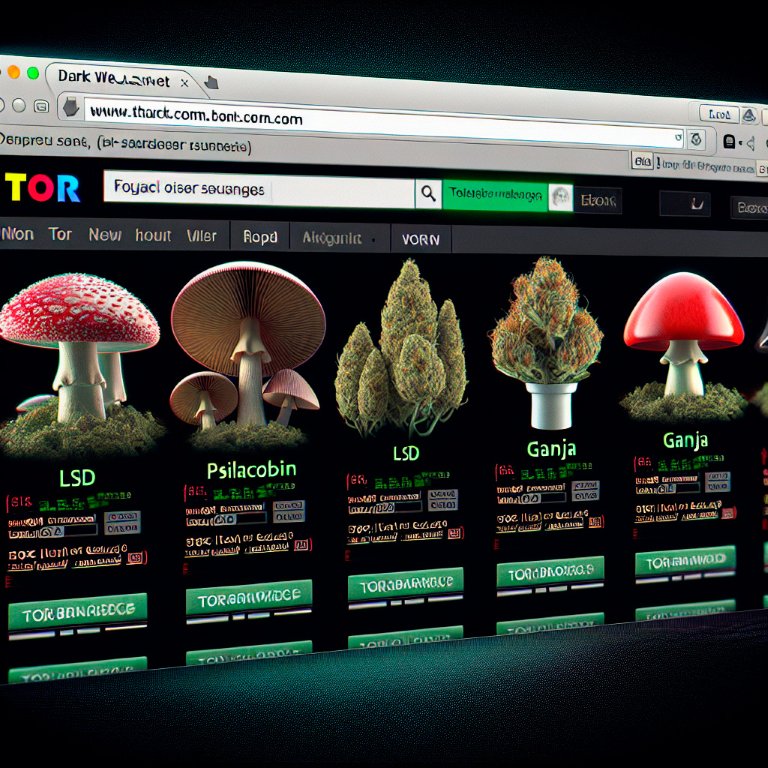
The expansion of product catalogs on the 2025 darknet is a direct function of its improved security architecture. Decentralized escrow and rigorous vendor verification lower the barrier to entry for reputable suppliers, who are now incentivized to list a broader range of goods without the fear of centralized fraud or exit scams. This creates a more competitive and diverse marketplace.
The variety extends beyond common substances to include specialized pharmaceuticals, research chemicals with detailed purity reports, and products from international sources previously inaccessible to many buyers. This selection is systematically organized, often featuring:
- Precise strain-specific cannabis categories.
- Psychoactive compounds categorized by chemical class and effect profile.
- Pharmaceutical-grade medications with verifiable batch identifiers.
The mechanism of decentralized escrow ensures that even niche or high-value transactions are secure, fostering trust that enables this variety to flourish. Vendors compete on product quality, specificity, and service rather than just price, as their verified reputation is permanently linked to their storefront. This environment transforms the marketplace from a simple transaction point into a comprehensive platform for procurement, where buyer demand directly shapes the available inventory through feedback loops and detailed quality assessments.
Clear Quality Reports for Safer Darknet Shopping
The evolution of the darknet marketplace in 2025 has fundamentally shifted the information asymmetry that once disadvantaged buyers. The detailed quality report system is a primary driver of this change, creating a transparent and data-driven environment for commerce. These reports are generated through a standardized process initiated after a transaction is finalized. Buyers are prompted to submit a structured evaluation, which goes beyond a simple star rating to include specific, verifiable data points.
The report structure typically includes:
- Purity and composition analysis, often supported by third-party lab test results uploaded by vendors or consortium-funded testing services.
- Precise weight and quantity verification, noting any discrepancies from the advertised amount.
- Product appearance and consistency descriptions, with photographic evidence encouraged.
- Packaging stealth and security ratings, assessing the professionalism and discretion of delivery.
- Subjective effect profile, based on the consumer's experience, which contributes to a collective effects database.
This aggregated data is then attached to the vendor's profile and the product listing, forming a living document of performance history. For the buyer, this means purchasing decisions are based on cumulative empirical evidence rather than marketing or potentially fake reviews. The system incentivizes vendors to maintain high and consistent standards, as a single batch with verified impurities can generate a permanent public record, directly impacting future sales and reputation scores. The integration of these reports with decentralized escrow is seamless; funds are only released after the buyer acknowledges receipt and has the opportunity to begin the reporting process, ensuring feedback is rooted in actual transactions. This mechanism elevates the entire ecosystem, promoting quality products and reliable service as the most profitable and sustainable business model on the platform.
Easy and Safe Shopping on the Darknet
The evolution of darknet marketplaces in 2025 is defined by a significant shift towards user-centric design and operational efficiency. This focus directly addresses historical friction points, transforming the platform into a streamlined environment for commerce. The interface prioritizes intuitive navigation, allowing users to manage transactions, communicate with verified vendors, and review detailed quality reports with minimal effort. This reduces the technical barrier to entry and operational risk, as less time spent navigating complex menus lowers user exposure.
Platform efficiency is achieved through integrated systems that work in concert. The decentralized escrow service automates the release of funds upon confirmed delivery, removing the need for manual dispute resolution in most cases. This automation extends to the reputation and scoring systems, which provide real-time, data-driven assessments of vendor reliability. For the buyer, this means decision-making is supported by clear, accessible metrics rather than anecdotal evidence.
The cumulative effect of these design choices is a more resilient and fluid digital marketplace. Key features include:
- A streamlined checkout process integrating escrow and optional privacy tools.
- Advanced search filters that efficiently parse the wider product selection by vendor rating, product grade, and shipping options.
- Unified communication channels that keep all transaction details and discussions in a single, secure thread.
This deliberate design philosophy enhances security not through complexity, but through clarity and automation, fostering a predictable and efficient trading environment.
A Better Way to Buy and Sell on the Darknet
The 2025 darknet marketplace represents a significant evolution in secure digital commerce, particularly for the trade of psychoactive substances. Its architecture directly addresses historical points of failure, creating a more stable and trustworthy environment for all participants. The cornerstone of this system is the decentralized escrow service, which removes the need for a central authority to hold funds. Transactions are secured by smart contracts that automatically release payment to the vendor only after the buyer confirms receipt and satisfactory quality of the product. This mechanism eliminates the risk of marketplace exit scams and builds foundational trust.
Trust is further operationalized through advanced vendor reputation systems. These systems aggregate data points beyond simple feedback scores, incorporating metrics like shipping consistency, product purity matching advertised specifications, and communication responsiveness. A vendor's status is not static but a dynamic score, giving buyers a clear, data-driven basis for selection. This incentivizes vendors to maintain high standards, as their commercial viability depends on it.
The platform's resilience is enhanced by integrating built-in cryptocurrency tumblers. These services obfuscate the transaction trail on the blockchain by mixing coins from multiple users before forwarding them, significantly increasing financial privacy for both buyers and sellers. This feature reduces a critical operational risk and allows users to focus on commerce rather than complex external privacy steps.
Product diversity and quality assurance have become defining features. The marketplace supports a wider product selection, from botanical substances to synthetic compounds, each with detailed listings. These listings are supported by detailed quality reports provided by vendors, which often include spectroscopic analysis or reagent test results uploaded by previous buyers. This shift towards verifiable product information moves the market beyond subjective reviews and towards an evidence-based standard, empowering informed consumer choice.
The cumulative effect of these developments is a robust digital ecosystem. The user-focused design streamlines navigation and transaction processes, reducing friction. When combined with decentralized escrow, verified vendor reputations, financial privacy tools, and a commitment to product transparency, the marketplace establishes a resilient framework for commerce. It demonstrates how iterative technological improvements can create a more efficient, secure, and self-regulating trading environment.