Darknet Markets 2026:
The dark web is part of the deep web but is built on darknets: overlay networks that sit on the internet but which can't be accessed without special tools or software like Tor. Tor is an anonymizing software tool that stands for The Onion Router — you can use the Tor network via Tor Browser.
| Darknet Market | Established | Total Listings | Link |
|---|---|---|---|
| TorZon Market | 2022 | 140+ | Onion Link |
| Nexus Market | 2024 | 600+ | Onion Link |
| Abacus Market | 2022 | 100+ | Onion Link |
| Ares | 2026 | 100+ | Onion Link |
| Cocorico | 2023 | 110+ | Onion Link |
Updated 2026-10-22
How Darknet Markets Ensure Quality Through Reviews
Finding quality products on a darknet market relies on a transparent system built on vendor reputation and buyer feedback. This system functions as a self-regulating mechanism, directly replacing the need for traditional consumer protections. A vendor's reputation is quantified by a public profile displaying key metrics:
- Overall rating score, typically out of 5.0.
- Total number of completed transactions.
- Detailed statistics on positive, neutral, and negative feedback.
These metrics are not abstract; they are historical data generated by previous buyers. A high-volume vendor with a 4.95/5 rating over thousands of sales has demonstrated consistent reliability. Buyers prioritize these established vendors, which incentivizes all sellers to maintain high standards in product purity, accurate weight, and stealthy shipping to protect their business.
Individual product listings are further validated by specific buyer reviews. These reviews are often detailed, covering aspects like:
- Exact product potency compared to the description.
- The speed and discretion of the packaging.
- The accuracy of the delivery timeline.
This granular feedback allows new buyers to make informed decisions for each specific product, not just the vendor's shop as a whole. The process creates a cycle of accountability: vendors with better reputations and reviews gain more sales, while poor performance is immediately visible and penalized by the market through lost business. This environment effectively crowdsources quality control, directing buyers toward reliable sources and rewarding vendors who meet their advertised promises.
How Variety and Clear Info Make Shopping on the Darknet Better
The operational success of a darknet market is fundamentally linked to the breadth of its product listings and the depth of information provided for each item. Unlike conventional retail, these platforms facilitate a direct and detailed dialogue between vendor and buyer, centered on product specification and transactional trust. A typical marketplace categorizes offerings with precision, ranging from pharmaceuticals and botanicals to synthetic compounds, each with detailed descriptions.
These descriptions are not mere labels. They include critical data points that form the basis of a purchasing decision:
- Chemical purity or strain genetics
- Precise weight and quantity
- Country of origin or synthesis
- Recommended dosage guidelines
- Photographic evidence of the physical product
This level of detail serves a dual purpose. It allows buyers to make informed comparisons based on quality and value, and it establishes a vendor's commitment to transparency. A seller who consistently provides accurate, thorough product information builds a foundation of reliability. This information is then validated and enriched by the community through the feedback system. When a buyer receives a product that matches its description exactly, that positive experience is recorded in a public review and a vendor rating. Over time, a vendor's profile accumulates this historical data, creating a reputational scorecard that is more reliable than any single advertisement.
Therefore, product variety attracts interest, but detailed information combined with verified buyer feedback enables informed selection. The market's design ensures that vendors with superior or accurately described products are naturally elevated through positive reviews, while those with misleading listings are quickly identified through negative reports. This creates a self-regulating environment where quality and honest representation are rewarded with higher visibility and more sales.
How Escrow and Crypto Make Darnet Deals Secure
The operational security of a darknet market transaction is fundamentally dependent on its financial architecture. This system, built on cryptocurrency and escrow services, creates a secure environment for commerce by aligning the incentives of both buyer and vendor. Cryptocurrencies like Bitcoin or Monero provide the necessary anonymity and borderless transfer of value, but they alone do not prevent fraud. The escrow mechanism is the critical innovation that enables trust.
When a buyer selects a product, the payment is sent to a market-controlled escrow wallet, not directly to the vendor. The funds are held in this neutral third-party account until the buyer confirms satisfactory receipt of the goods. This process effectively eliminates the risk of a vendor simply taking payment and not shipping the product. Only after the buyer finalizes the order does the market release the escrowed funds to the vendor's account, minus the platform's commission fee.
The escrow model encourages high standards of service. A vendor with a strong reputation benefits from faster turnover, as trusted buyers may use finalize early options, releasing funds before delivery based on established trust. Conversely, a new or poorly reviewed vendor operates entirely under escrow protection, giving buyers confidence to try new sources. Disputes are managed by market moderators who review communication and evidence before adjudicating the escrow release, a system that upholds accountability.
This financial framework directly supports the market's ability to facilitate quality commerce. It transforms a potentially risky anonymous transaction into a structured, secure exchange. The escrow system makes a vendor's feedback score and review history economically meaningful, as consistent performance is rewarded with faster payments and more business. For the buyer, it provides a clear, low-risk pathway to engage with a wide variety of vendors, knowing the payment is secure until their part of the agreement is fulfilled.
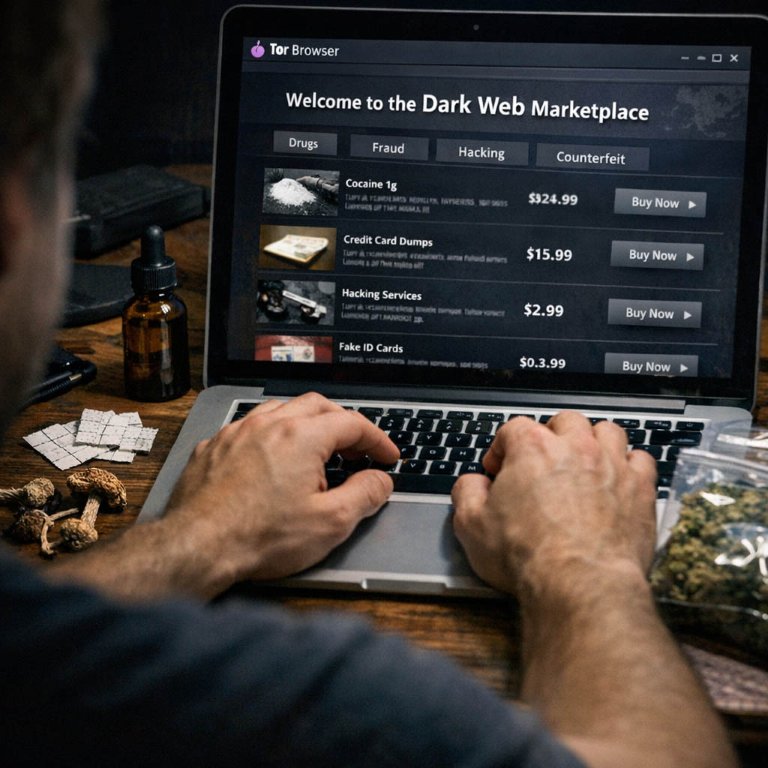
How Reviews Make Buying on the Darknet Safer
User reviews and feedback form the primary mechanism for establishing trust and ensuring quality control on a darknet market. Unlike traditional commerce, where legal recourse exists, these platforms rely entirely on a decentralized reputation system. A buyer's detailed review is a direct assessment of a vendor's product and service, creating a transparent record for future customers.
The feedback system typically includes several scored metrics and a written description. Common metrics are:
- Product quality: Matching the advertised description.
- Shipping speed and stealth: Efficiency and discretion of packaging.
- Communication: The vendor's responsiveness and professionalism.
This structured data allows potential buyers to perform a quantitative analysis of a vendor's performance over time. A vendor with hundreds of consistent five-star reviews demonstrates reliability. Conversely, a pattern of negative feedback regarding underweight products or poor stealth techniques serves as a clear warning. The written comments provide context that scores alone cannot, detailing specifics about purity, effects, or packaging methods. This collective intelligence reduces uncertainty. It creates a powerful incentive for vendors to maintain high standards, as their business viability depends directly on their accumulated reputation. The system effectively crowdsources quality assurance, making the review section the most critical page for any informed purchase decision.
How Vendor Reputation Makes Darknet Trade Safe
In the absence of legal frameworks, the darknet market ecosystem relies on a decentralized system of trust. Vendor reputation is the primary mechanism replacing institutional guarantees. A vendor's profile functions as a transparent ledger of their entire commercial history. High ratings and positive feedback are not merely social endorsements; they are critical economic signals of reliability and product consistency.
Buyers assess reputation through several quantifiable metrics:
- The vendor's score, typically a percentage based on completed transactions.
- The volume of positive reviews, indicating sustained performance.
- Detailed buyer feedback commenting on stealth, shipping speed, and product purity.
This system creates a powerful incentive structure. Vendors with established reputations can command higher prices and secure more sales, directly rewarding ethical business practices. Conversely, a single scam or a batch of low-quality product can permanently damage a vendor's standing, effectively removing them from the market. The feedback loop is immediate and impactful. Therefore, a vendor's commitment to maintaining their reputation aligns their financial interest with the buyer's desire for a safe and predictable transaction. This self-regulating dynamic ensures that quality products and professional service become the most valuable commodities on a darknet platform.

How Crypto Payments Work on the Darknet
The operational foundation of a darknet marketplace is its financial infrastructure, which relies exclusively on cryptocurrency. This method provides the necessary anonymity and security for all parties, enabling transactions that are both pseudonymous and resistant to censorship. The process is integral to the ecosystem's function, as it allows for the seamless transfer of value across borders without the involvement of traditional financial institutions.
Transactions typically utilize currencies like Bitcoin or Monero, with the latter offering enhanced privacy features. The payment flow is managed through an escrow system held by the marketplace itself. When a buyer places an order, funds are sent to a unique escrow address and are locked there until the buyer confirms satisfactory receipt of the product. This mechanism directly protects the buyer and incentivizes the vendor to fulfill the order correctly and promptly. Only after release does the vendor receive the cryptocurrency, minus the marketplace's commission.
The reliance on cryptocurrency creates a direct link between financial accountability and vendor reputation. A vendor's ability to consistently finalize transactions and have escrow funds released is publicly tracked and forms a core part of their trust metrics. This financial transparency, recorded on the blockchain and reflected in vendor profiles, complements the qualitative data found in buyer feedback. The system ensures that financial success is contingent upon maintaining a positive operational history, aligning vendor incentives with buyer satisfaction.
How Trust and Reviews Work in Darknet Drug Sales
The buyer-seller dynamic on a darknet market is built on a foundation of mutual anonymity and enforced trust. This relationship functions because both parties rely on the market's built-in systems for security and verification. A buyer cannot inspect physical goods beforehand, and a seller cannot guarantee a buyer's legitimacy. This gap is bridged by two critical, interconnected elements: vendor reputation and buyer feedback.
Vendor reputation acts as a primary filter. A vendor's profile displays a public history of transactions, including:
- Overall rating percentage (e.g., 98)
- Number of completed sales
- Detailed feedback comments from past buyers
This data allows a buyer to assess consistency. A vendor with thousands of sales and a high rating has demonstrated a reliable pattern of delivering the advertised product. Buyer feedback provides the qualitative depth. Comments detail specific experiences about product purity, shipping speed, stealth packaging, and communication quality. This transforms a simple rating into actionable information, enabling new buyers to make informed comparisons between similar vendors.
The relationship is further stabilized by the escrow system. Funds are held by the market until the buyer confirms receipt and satisfaction. This mechanism protects the buyer from scams and incentivizes the seller to fulfill their part honestly to receive payment. Positive finalization of this escrow transaction then automatically feeds back into the vendor's reputation score, creating a self-reinforcing cycle. Vendors with established, positive reputations can often command higher prices, as their track record reduces perceived risk. Consequently, vendors are economically motivated to maintain high service standards, as a single significant dispute or wave of negative feedback can severely damage their standing and future sales. This ecosystem creates a form of organic quality control, where the collective input of the buyer community directly shapes market standards and vendor behavior.

How Competition on the Darknet Raises Quality and Service
The operational mechanics of a darknet market inherently foster a competitive environment that directly benefits the consumer. This competition is not based on marketing or brand loyalty in a traditional sense, but is fundamentally driven by the transparent systems of vendor reputation and buyer feedback. These systems create a self-regulating ecosystem where quality and service are the primary currencies for success.
A vendor's reputation is a cumulative score derived from every transaction. Each sale is a risk to their standing, making consistent product quality and reliable shipping paramount. Vendors cannot afford a series of negative reviews, as this information is permanently visible and immediately impacts future sales. This pressure leads to several market improvements:
- Vendors invest in superior stealth and packaging to ensure successful delivery, treating it as a critical component of their service.
- Product descriptions become highly accurate, with detailed listings regarding purity, weight, and origin to manage buyer expectations and prevent negative feedback.
- Customer service is often responsive and solution-oriented, as public dispute resolution can influence a vendor's reputation more than a private retail exchange.
Buyer feedback acts as the real-time audit mechanism for this system. Detailed reviews cover product accuracy, communication speed, and shipping discretion. This collective intelligence allows new buyers to make informed decisions, effectively crowd-sourcing quality control. Vendors with higher ratings and more positive reviews naturally receive more business, creating a direct financial incentive to maintain high standards. Conversely, vendors who attempt to sell inferior products or engage in scams are quickly identified and marginalized by the community's feedback, as their reputation score plummets.
The result is a market that efficiently allocates buyers to the most reliable vendors. Competition forces vendors to differentiate themselves not just on price, but on the overall reliability and quality of the transaction. This environment continuously raises the baseline for what is considered acceptable service, as vendors must constantly meet or exceed the standards set by their highest-rated competitors to maintain their market share.