Darknet Markets 2026:
The dark web is part of the deep web but is built on darknets: overlay networks that sit on the internet but which can't be accessed without special tools or software like Tor. Tor is an anonymizing software tool that stands for The Onion Router — you can use the Tor network via Tor Browser.
| Darknet Market | Established | Total Listings | Link |
|---|---|---|---|
| TorZon Market | 2022 | 140+ | Onion Link |
| Nexus Market | 2024 | 600+ | Onion Link |
| Abacus Market | 2022 | 100+ | Onion Link |
| Ares | 2026 | 100+ | Onion Link |
| Cocorico | 2023 | 110+ | Onion Link |
Updated 2026-10-22
How Modern Darknets Make Buying Drugs Safe and Easy
The evolution of darknet markets by 2025 has fundamentally addressed historical concerns over security and transactional trust, making the acquisition of substances a streamlined process. Platform architecture now integrates advanced multi-signature escrow as a default, ensuring funds are only released upon successful order completion. This technical standard eliminates the risk of vendor fraud and exit scams that plagued earlier platforms.
This security framework is complemented by sophisticated vendor reputation systems. These systems aggregate thousands of transaction feedback points into reliable trust scores, allowing buyers to make informed decisions based on consistent vendor performance. A high trust score directly correlates with a vendor's adherence to shipping timelines, product quality, and communication standards.
The transaction process itself is secured through expanded cryptocurrency options. While Bitcoin remains in use, markets now prioritize privacy-centric coins like Monero (XMR) by default. Monero's blockchain obfuscates transaction details, providing enhanced financial privacy for both buyers and vendors compared to the transparent nature of the Bitcoin ledger.
These combined elementscryptographic escrow, data-driven reputation, and enhanced currency privacycreate a resilient ecosystem. The result is an environment where security protocols are automated and trust is quantifiable, reducing uncertainty and simplifying the procurement cycle from product selection to final delivery.
How Multi-Signature Escrow Makes Darknet Shopping Safer
The evolution of darknet markets in 2025 is defined by the universal adoption of advanced multi-signature escrow. This system has become the foundational mechanism for ensuring transactional security, moving far beyond the basic 2-of-3 setups of the past. Modern implementations now often involve complex, user-configurable signature schemes that distribute control among the buyer, the vendor, and the market's arbitration service. This technical standard directly addresses the core issue of trust in anonymous commerce.
The process is automated and transparent. When a purchase is made, the cryptocurrency is locked in a multi-signature wallet that requires at least two out of the three parties to approve any release of funds. A buyer can only finalize payment after confirming satisfactory receipt of the product, while a vendor cannot access the funds unilaterally. This creates a balanced power dynamic, effectively eliminating the risk of exit scams that plagued earlier platforms. The arbitration role, typically managed by the market's automated systems with human oversight for disputes, only intervenes when consensus between buyer and vendor fails.
The operational benefits are clear:
- It provides strong financial protection for buyers against fraudulent vendors.
- It guarantees secure and guaranteed payment for honest vendors upon successful order completion.
- It incentivizes all parties to follow through on their agreements, as funds remain locked until mutual satisfaction is achieved.
This escrow model has matured into a seamless backend process. Users experience it simply as a more secure and reliable way to shop, which in turn fosters a healthier commercial ecosystem. The standardization of this technology across leading 2025 markets has made purchasing straightforward by removing the significant financial uncertainties that once dominated the landscape.
Trusted Vendors and Safe Sales on the Darknet
The evolution of darknet markets by 2025 has fundamentally addressed historical concerns over vendor trust and transactional integrity. A sophisticated, data-driven reputation system now serves as the primary mechanism for establishing reliability. This system aggregates thousands of transaction metrics, moving beyond simple feedback scores to include detailed analytics on shipping consistency, product purity verification, and communication responsiveness.
Vendors maintain extensive public profiles displaying their operational history, with key performance indicators updated in real-time. This transparency allows buyers to make informed decisions based on longitudinal data, effectively creating a self-regulating ecosystem where long-term success is directly tied to consistent, high-quality service. The multi-signature escrow, now a universal standard, further secures every transaction. Funds are released only upon confirmed delivery, eliminating the risk of exit scams and fostering a secure environment for commerce.
The cumulative effect of these systems is a significant reduction in transactional friction. Buyers can engage with confidence, knowing that vendor reputations are hard-earned and protected by immutable blockchain records and escrow contracts. This environment supports a diverse marketplace where reliable vendors thrive, directly contributing to market stability and user satisfaction. The process of acquiring goods has been streamlined to a routine commercial interaction, underpinned by verifiable trust and cryptographic security.

Private Coins Make Buying Easier and Safer
The evolution of darknet markets by 2025 is fundamentally linked to the diversification of cryptocurrency options. While Bitcoin remains a staple, its inherent lack of privacy has driven the widespread adoption of privacy-centric coins like Monero (XMR) and Zcash (ZEC). These cryptocurrencies utilize advanced cryptographic techniques such as ring signatures and zk-SNARKs to obfuscate transaction details, making the financial trail of a purchase virtually untraceable. This shift addresses a core user concern, as transactional privacy is no longer an optional feature but a foundational security layer.
This expansion directly simplifies the procurement process. Users are no longer forced to rely on external, often complex, tumbling or mixing services for Bitcoin, which adds steps and potential points of failure. Instead, markets have integrated these privacy coins natively into their escrow and payment systems. The process becomes more streamlined:
- A user selects a trusted vendor with a proven track record.
- The market generates a unique, one-time wallet address for a Monero payment.
- The user sends the funds, which are then held in a secure, multi-signature escrow until order completion.
The result is a more robust and user-centric ecosystem. The friction associated with achieving financial anonymity is significantly lowered, which in turn reinforces market stability and vendor reliability. When financial transactions are decoupled from publicly viewable ledgers, it fosters a environment where the focus can remain on transactional trust and product quality. The availability of multiple, integrated cryptocurrency options thus acts as a critical enabler, making the entire process from browsing to finalization not only more secure but also remarkably straightforward.
Clear Listings and Verified Quality on the Darknet
The evolution of darknet markets in 2025 is defined by a professionalization of commerce, with detailed product listings forming the foundation of consumer trust and informed purchasing. Modern platforms function as sophisticated digital storefronts where vendors provide exhaustive specifications for every item. A typical listing now includes precise chemical composition, concentration, country of origin, and clear, high-resolution photographs from multiple angles. This level of detail allows buyers to make assessments comparable to those on legitimate e-commerce platforms, reducing uncertainty and post-purchase disputes.
Quality verification has transitioned from anecdotal user reports to a structured, evidence-based system. Vendors establish credibility by integrating third-party laboratory analysis certificates directly into their product pages. These certificates, often from respected but anonymous testing services, verify purity and identify adulterants. Furthermore, the market ecosystem encourages a robust feedback loop where buyers post detailed reviews with their own test results. This creates a transparent reputation mechanism where consistently high-quality products are easily identifiable, and substandard vendors are quickly marginalized by the community.
The technical infrastructure supports this transparency through standardized listing formats and mandatory fields for key data. Search and filter functions allow users to sort by purity level, vendor rating, or shipping location with precision. This environment incentivizes vendors to compete on quality and accuracy of information, as a misleading listing is rapidly flagged by the user base. The result is a self-regulating marketplace where accurate information and verified quality are the primary drivers of commercial success, simplifying the buyer's journey from product discovery to a confident purchase.
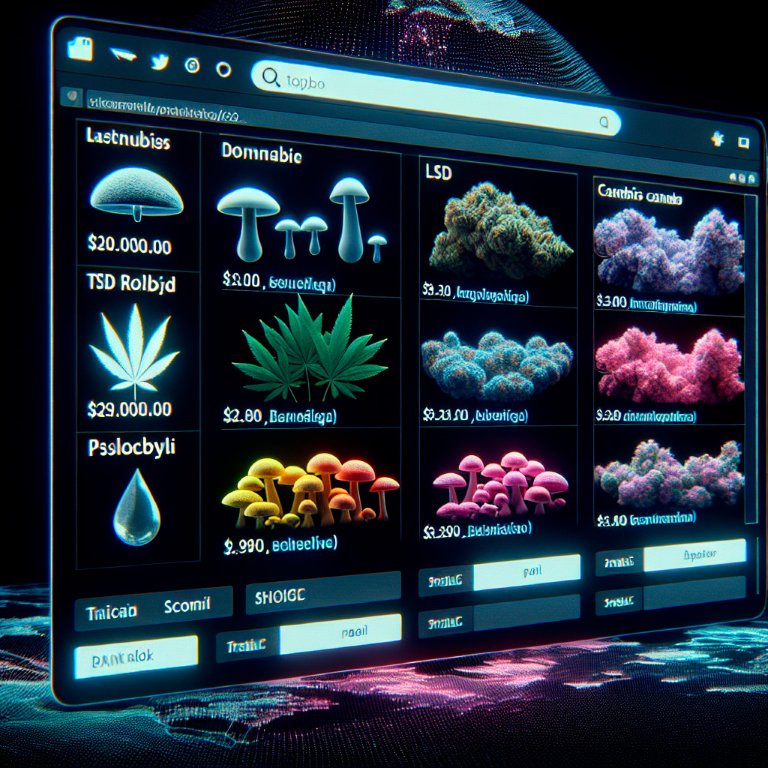
Easy Shopping on the Darknet
The evolution of darknet market interfaces by 2025 has directly addressed the primary barrier to entry for new users: complexity. Modern platforms now feature a streamlined design comparable to mainstream e-commerce sites. This includes intuitive category filters, a powerful search function with auto-suggestions, and a clean, uncluttered layout. The shopping cart and checkout process are standardized, reducing user error during critical steps.
This focus on usability extends to vendor interaction. Each vendor profile is a centralized hub of trust metrics, presenting data clearly:
- Detailed transaction count and positive feedback percentage.
- Breakdown of shipping times and success rates by region.
- A verifiable history of activity on the platform.
Navigation is no longer a technical challenge but a straightforward process. New users can register, find a product from a highly-rated vendor, and complete a purchase within minutes. The system guides the user securely from product selection to finalizing the order with multi-signature escrow. This design philosophy removes friction, allowing the user to focus on evaluating vendor reputation and product quality rather than battling a confusing interface. The result is a reliable and efficient digital commerce environment.
Easy and Private Shopping on the Darknet
The purchasing process on darknet markets in 2025 has been refined to a level of simplicity that rivals mainstream e-commerce. A user selects a product from a trusted vendor with a proven track record, adds it to a cart, and proceeds to checkout. The system automatically calculates the cryptocurrency amount needed, and the funds are placed into a secure multi-signature escrow. This escrow holds the payment until the buyer confirms receipt, protecting both parties and establishing a fundamental layer of trust that was less consistent in earlier platforms.
Following payment, logistics are handled with professional discretion. Vendors employ sophisticated stealth packaging techniques, making parcels indistinguishable from ordinary mail. Shipping methods are selected for their reliability and lack of advanced scanning protocols, with many vendors offering guaranteed reships if a package is lost. Tracking information, when provided, is often delivered through encrypted channels within the market's internal messaging system.
The entire transaction chain is secured by expanded cryptocurrency options. While Bitcoin remains common, the widespread integration of privacy-centric coins like Monero is now standard. Monero's inherent privacy features, such as ring signatures and stealth addresses, obscure transaction details by default, providing stronger financial anonymity than the transparent Bitcoin blockchain and reducing external scrutiny risks.
This streamlined ecosystemcombining verified vendors, automated escrow, discreet shipping, and private cryptocurrenciescreates a resilient and user-centric model. It minimizes operational friction and maximizes transactional security, allowing the market to function on principles of efficient commerce and mutual satisfaction rather than coercion.

How the Darknet Puts Buyers First
The evolution of darknet markets by 2025 has fundamentally reoriented platform dynamics around the consumer experience. This shift mirrors principles from conventional e-commerce, where vendor accountability and service quality are primary drivers of success. The operational model now prioritizes buyer security and satisfaction as measurable metrics, directly influencing a vendor's visibility and longevity on the platform.
Multi-signature escrow is a standard feature that protects funds until order completion, while comprehensive feedback systems create transparent vendor profiles. Disputes are mediated through structured resolution processes, encouraging vendors to maintain high standards in product quality and shipping reliability. This environment reduces transactional uncertainty and fosters a competitive marketplace where reputable vendors are incentivized to provide consistent, high-quality service.
Logistics and communication have been streamlined. Vendors utilize detailed tracking and encrypted messaging for updates, ensuring a predictable purchasing journey. The expansion of privacy-focused cryptocurrencies beyond Bitcoin simplifies secure payments, further reducing friction for the user.
The cumulative effect of these developments is a market structure where trust is systematically built and verified. Customer satisfaction is no longer incidental but is engineered into the transaction process through:
- enforced financial safeguards
- transparent reputation mechanisms
- reliable shipping protocols
- responsive vendor communication
This consumer-centric approach has standardized reliability, making the procurement process more predictable and secure for the end-user.
How Darknets Make Buying Drugs Safer and Easier
The evolution of darknet markets by 2025 has fundamentally streamlined the procurement of pharmaceuticals, establishing a digital commerce framework that prioritizes transactional certainty and user safety. This system operates on principles of cryptographic security and reputational verification, which directly address historical concerns of fraud and instability. The mechanism is straightforward: a buyer selects a product from a vendor with a proven track record, the funds are locked in a multi-signature escrow, and the release of payment is contingent upon the successful verification of the delivered goods. This process removes guesswork and fosters a predictable commercial environment.
The infrastructure supporting these transactions has become more accessible. Markets now feature intuitive interfaces and support a wider array of privacy-focused cryptocurrencies, lowering the technical barrier to entry. For the consumer, this translates to a purchasing experience characterized by several clear advantages:
- Direct access to verified product listings with detailed descriptions and quality assurances.
- Transactions secured by automated escrow systems that protect both buyer and seller.
- Reliable logistics networks that ensure discreet and efficient delivery.
This model demonstrates how digital commerce can function efficiently under conditions of voluntary exchange and enforced accountability. The market's self-regulating nature, driven by vendor reputation scores and transparent feedback systems, incentivizes high standards of product quality and customer service. Consequently, these platforms have matured into organized ecosystems where trust is algorithmically enforced and transactional simplicity is the standard, reflecting a significant advancement in the architecture of peer-to-peer digital trade.