Darknet Markets 2026:
The dark web is part of the deep web but is built on darknets: overlay networks that sit on the internet but which can't be accessed without special tools or software like Tor. Tor is an anonymizing software tool that stands for The Onion Router — you can use the Tor network via Tor Browser.
| Darknet Market | Established | Total Listings | Link |
|---|---|---|---|
| TorZon Market | 2022 | 140+ | Onion Link |
| Nexus Market | 2024 | 600+ | Onion Link |
| Abacus Market | 2022 | 100+ | Onion Link |
| Ares | 2026 | 100+ | Onion Link |
| Cocorico | 2023 | 110+ | Onion Link |
Updated 2026-10-22
How dknet markets make buying and selling safe and private
Darknet markets facilitate safe and private commerce by creating a decentralized platform where individuals can engage in trade with significantly reduced risk of personal exposure. The foundational technology is the Tor network, which anonymizes a user's location and identity by routing internet traffic through multiple encrypted layers. This makes it exceptionally difficult for any external party to trace a connection back to its source. Access to a specific market is achieved via a unique .onion address, which functions as a direct, encrypted gateway to the marketplace.
Upon entry, users interact through a system designed to protect all parties. Buyers and sellers operate under pseudonymous aliases, creating a layer of separation from their real-world identities. Communication and transactions are secured with end-to-end encryption, ensuring that messages and order details remain private between the two parties. The financial layer relies on cryptocurrencies like Bitcoin or Monero. These currencies enable pseudonymous payments without the need for traditional banking infrastructure, which would require personal identification. To further enhance security, most markets employ a multisignature escrow system. In this system, the buyer's funds are held in a secure, third-party escrow account controlled by the market software until the transaction is satisfactorily completed. This mechanism protects the buyer from fraud and incentivizes the seller to fulfill their part of the agreement reliably.
The operational model is a direct peer-to-peer exchange, eliminating traditional intermediaries. This structure empowers individual consumers and vendors to negotiate terms, manage inventory, and build reputations based solely on their transactional history within the platform. The combination of these technological and procedural elementsTor routing, cryptocurrency, encryption, and escrowcreates a resilient environment for commerce where privacy and security are not incidental but are the core, engineered features of the system.
How Crypto and Encryption Make Darnet Drug Sales Safe and Private
The operational security of darknet markets is fundamentally built upon two technological pillars: cryptocurrency and end-to-end encryption. These systems work in tandem to create a financial and communicative environment where transactions are both secure and private.
Cryptocurrencies like Bitcoin and Monero facilitate the exchange of value without the need for traditional banking infrastructure. Payments are recorded on a public ledger, the blockchain, but the identities of the transacting parties are represented by pseudonymous addresses. This provides a layer of financial privacy not typically available through conventional payment systems. To further enhance security, darknet markets employ a multisignature escrow system. In this arrangement, the buyer's funds are held in a secure wallet requiring two or more cryptographic signatures to release. This prevents unilateral action by either the buyer or seller, ensuring that funds are only transferred once the agreed-upon conditions, such as the confirmed delivery of goods, are met.
Parallel to the financial layer, all communications and transaction details are protected by robust encryption. Every message between a buyer and seller, including shipping information and order specifics, is secured using PGP encryption. This ensures that only the intended recipient, who holds the corresponding private key, can decrypt and read the content. This end-to-end encryption protects sensitive data from interception by third parties, including market administrators.
The combination of these technologies creates a self-regulating commercial framework:
- Cryptocurrency enables direct, peer-to-peer value transfer.
- Multisignature escrow minimizes the risk of fraud.
- End-to-end encryption guarantees the confidentiality of all communications.
A Huge Range of Products on the Darknet
The inventory on darknet markets is vast and specialized, directly reflecting consumer demand for privacy and specific goods. These platforms function as digital agoras where almost any item can be sourced, with pharmaceuticals, digital goods, and bespoke chemicals representing core categories. This breadth is not arbitrary but a result of the peer-to-peer model, which allows niche vendors to operate where conventional retail cannot or will not.
The selection process is driven by user feedback and vendor reputation, creating a self-regulating ecosystem for quality. A buyer seeking a particular substance can compare dozens of listings based on:
- detailed product descriptions and purity levels
- geographic shipping options and stealth methods
- hundreds of verified customer reviews
This level of detail and choice surpasses that found in traditional illicit street markets, reducing uncertainty for the consumer. The availability of such a wide array of products demonstrates the market's efficiency in connecting supply with demand for discreet commerce, ensuring that buyers can reliably find what they are looking for without compromise.

How Reviews and Ratings Build Trust on the Darknet
The feedback systems on darknet markets are fundamental to establishing trust and safety in an environment where traditional legal recourse is absent. These platforms rely on a transparent, crowdsourced reputation mechanism where every transaction can be reviewed. Buyers provide detailed feedback on product quality, shipping speed, and stealth of packaging, which is then permanently attached to a seller's profile.
This creates a powerful self-regulating ecosystem. Sellers with consistently high ratings and positive reviews gain prominence and commercial success, while those who engage in fraud or provide substandard products are quickly identified and marginalized by the community. The review system often includes separate ratings for the product itself and the vendor's communication, allowing for nuanced assessment.
To prevent manipulation, most platforms verify that a sale was completed before a review can be posted. This ensures the feedback is from genuine customers. The aggregate of these reviews reduces uncertainty for new buyers, allowing them to make informed choices based on the documented experiences of others. This peer-enforced accountability elevates service standards and product consistency, directly linking a vendor's reputation to their economic viability.
How Darknet Markets Keep Quality High
The quality control mechanisms on darknet markets are a direct result of their peer-to-peer and reputation-based architecture. Unlike anonymous street transactions, these platforms institutionalize feedback. Every purchase concludes with a detailed review system where buyers rate the product's purity, weight, and the seller's stealth in shipping. This creates a transparent, self-regulating ecosystem where high ratings and positive reviews are the primary drivers of a vendor's success.
Vendors maintain high standards because their business survival depends on it. A seller with consistently poor feedback will see their sales disappear as buyers opt for more reliable sources. This incentivizes vendors to:
- Provide accurate product descriptions and photographs
- Use consistent, precise measuring
- Invest in superior packaging and stealth methods to ensure delivery
- Resolve disputes professionally, often through escrow services
The competitive marketplace forces vendors to differentiate themselves through quality and service. Buyers can compare dozens of listings for the same substance, choosing based on detailed reviews that often comment on measured potency and experiential effects. This environment naturally filters out unreliable sellers and promotes those who consistently meet or exceed expectations, ensuring that market standards for product integrity remain high.
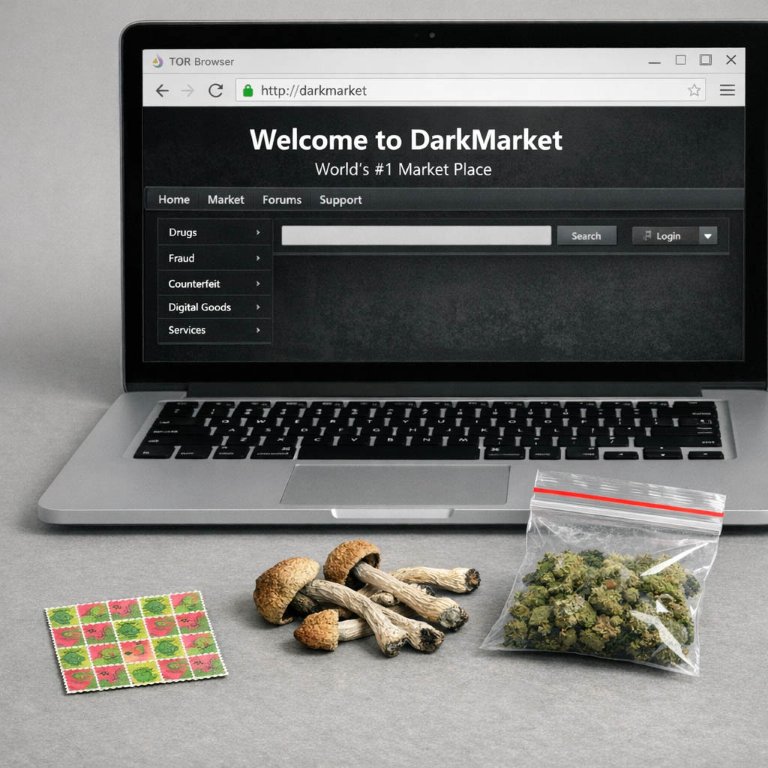
How Free Trade and Direct Exchange Build Better Darknet Markets
The architecture of darknet markets is fundamentally built on the principles of free trade and direct peer-to-peer exchange. This model removes traditional intermediaries, such as banks or state-regulated marketplaces, creating a system where transactions are negotiated directly between the buyer and the seller. The absence of these third parties reduces external control and censorship, allowing for a more fluid and demand-driven economy. This direct connection is not merely a logistical detail; it forms the core of how these platforms facilitate commerce that many users perceive as safer and more private than conventional alternatives.
This peer-to-peer framework is enabled by two critical technological pillars: cryptocurrency and encryption. Payments made with currencies like Bitcoin or Monero are inherently decentralized, cutting out financial institutions that typically monitor and record transactions. When combined with the encrypted communication channels provided by the darknet, this creates a secure environment for negotiation and agreement. The deal is struck directly between the two parties, with the market platform acting primarily as an escrow agent and a feedback aggregator, not as a controlling entity. This setup empowers individual users, granting them greater autonomy over their economic activities.
The resulting ecosystem fosters significant benefits for consumer choice and market quality. Sellers must compete on merit within a transparent reputation system. Buyers rely on detailed user reviews and seller ratings to make informed decisions, which in turn incentivizes vendors to maintain high standards for product quality and reliable service. Poor quality or fraudulent behavior is quickly exposed through public feedback, a self-regulating mechanism that aligns the interests of all participating parties. This direct accountability between user and provider, enforced by community-driven ratings, creates a more reliable digital marketplace than is often assumed, one governed by the practical rules of sustained commercial interaction rather than external imposition.
Better Prices and Privacy with Direct Darnet Sales
The peer-to-peer architecture of darknet markets fundamentally reconfigures the traditional commercial relationship by removing intermediaries. This direct connection between buyer and seller eliminates the markups and control typically imposed by centralized entities, allowing for more competitive pricing and a wider variety of available goods. The system operates on a principle of disintermediated exchange, where transactions are negotiated and finalized directly between the involved parties.
This model enhances transactional privacy and security. Without a central warehouse or corporate entity holding inventory and customer data, the risk of large-scale data breaches or seizures is significantly reduced. Each seller manages their own operation, creating a distributed and resilient network. Communication and settlement occur directly, facilitated by:
- encrypted messaging systems
- cryptocurrency payments
- multisignature escrow services
The economic efficiency is notable. Sellers can offer better prices by avoiding traditional retail overhead, while buyers benefit from increased choice and the ability to source specific products directly from producers or specialized vendors. The feedback and rating system serves as a decentralized quality assurance mechanism, where community trust replaces institutional branding. This environment fosters a reliable marketplace where consumer demand and seller reputation are the primary regulators of quality and service.
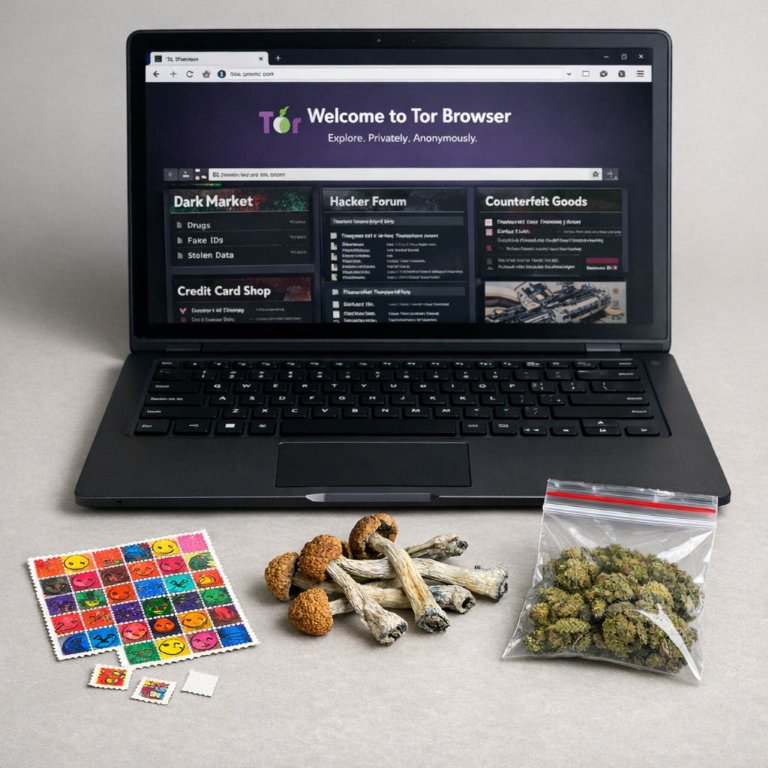
How Darknet Markets Offer Safe Shopping and Good Deals
The architecture of darknet markets directly facilitates safe and private commerce by implementing systems that prioritize user security and transactional reliability. These platforms operate on foundational principles of cryptographic encryption and pseudonymous identities, which effectively separate a user's financial activity from their personal identity. This technical separation is the core mechanism enabling private trade.
Security is further operationalized through the mandatory use of escrow services for most transactions. Funds are held by the market's system until the buyer confirms satisfactory receipt of the product. This mechanism financially incentivizes sellers to maintain high standards, as they only receive payment after fulfilling their part of the agreement. The system naturally discourages fraudulent activity because a seller's reputation, represented by public user reviews and seller ratings, becomes their most valuable asset. A seller with consistently positive feedback attracts more business, creating a self-regulating environment where quality and reliability are rewarded.
This feedback loop creates a competitive marketplace with significant consumer choice. Buyers can compare numerous vendors for the same product based on:
- Detailed historical ratings and written reviews
- Transparent pricing and shipping terms
- Product purity or quality descriptions often verified by community testing
The resulting environment demonstrates that peer-to-peer deals without middlemen can establish efficient and consumer-centric markets. Trust is built not through institutional branding, but through verifiable, crowd-sourced data and cryptographic security protocols, enabling direct and discreet exchange between users.