Darknet Markets 2026:
The dark web is part of the deep web but is built on darknets: overlay networks that sit on the internet but which can't be accessed without special tools or software like Tor. Tor is an anonymizing software tool that stands for The Onion Router — you can use the Tor network via Tor Browser.
| Darknet Market | Established | Total Listings | Link |
|---|---|---|---|
| TorZon Market | 2022 | 140+ | Onion Link |
| Nexus Market | 2024 | 600+ | Onion Link |
| Abacus Market | 2022 | 100+ | Onion Link |
| Ares | 2026 | 100+ | Onion Link |
| Cocorico | 2023 | 110+ | Onion Link |
Updated 2026-10-22
How a Darnet Market List Helps You Find What You Need
A darknet market list functions as a curated directory for platforms operating on encrypted networks like Tor or I2P. These lists are essential for navigating the decentralized and often transient nature of these spaces. They aggregate and present active markets, providing users with a centralized starting point for exploration.
The operational mechanism of a list involves continuous monitoring and verification. List maintainers, or the community feeding them data, track the uptime, URL changes, and operational status of known markets. When a new market emerges, it is added after initial checks. Conversely, markets that exit scam or are taken offline are flagged or removed. This process creates a dynamic and updated resource that reflects the current state of available platforms.
Beyond simple aggregation, these lists typically incorporate user-generated data to add layers of analysis. This includes:
- User review scores and ratings for trust and product quality.
- Detailed information on site features such as supported escrow types and cryptocurrencies.
- Notes on the market's interface, security protocols, and vendor verification processes.
By compiling this information, a darknet market list transforms from a simple catalog into a comparative tool. It allows a user to efficiently assess multiple options based on collective experience, moving directly to a platform that aligns with their requirements for security, product variety, and community trust.
How Lists Keep Up with New Markets and Closures
A darknet market list functions as a dynamic directory, not a static one. Its primary utility stems from its ability to reflect the rapidly changing landscape of available platforms. New markets emerge frequently, offering innovative features or targeting specific niches, while established ones may suddenly close due to operational decisions or external interventions. To maintain relevance, list administrators employ a combination of automated monitoring and community feedback.
Automated scripts regularly check the onion URLs of known markets, verifying their online status and response times. This technical scan provides a basic heartbeat check. More nuanced information comes from the user community. Vendors and buyers report new market discoveries, operational issues, or final closure announcements made by market administrators themselves. This crowd-sourced intelligence is often the fastest way to learn about a new entry or a pending shutdown.
The process of integrating this data involves verification. When a new market is reported, list curators will:
- Visit the site to confirm its legitimacy and basic functionality.
- Analyze its security features, such as escrow type and required PGP use.
- Monitor initial user reviews for reports of scams or bugs.
Finding the Best Darknet Markets for Smooth Shopping
Evaluating a darknet market requires analyzing two primary data streams: user reviews and platform features. User reviews provide a direct measure of transactional reliability. A market with consistently high ratings for vendor communication, product quality matching description, and on-time shipping indicates a stable ecosystem. Feedback sections detail experiences with specific vendors, allowing buyers to make informed choices based on a seller's established history. Negative reviews often highlight issues with escrow resolution, support responsiveness, or delivery problems, serving as critical risk indicators.
Concurrently, the technical and operational features of the market itself determine its security and usability. Key features for assessment include:
- The robustness of the escrow system, which holds payment until order completion.
- The implementation of end-to-end encrypted messaging for private buyer-vendor communication.
- Support for multisignature (multisig) transactions as an additional layer of financial security beyond standard escrow.
- The presence of a two-factor authentication (2FA) requirement for user logins.
- A clear and consistently enforced vendor bond policy, which acts as a barrier to entry for scammers.
The most reliable markets are those where strong user feedback correlates with advanced platform features. A market may have positive reviews, but if it lacks features like 2FA or multisig, it presents a higher security risk. Conversely, a feature-rich platform with poor user reviews suggests operational failures. Effective ranking synthesizes these elements, identifying markets where proven user satisfaction is supported by a secure technical infrastructure.

How Lists Link Buyers and Sellers on the Darknet
A darknet market list functions as the primary discovery and connection hub for the ecosystem. It aggregates operational platforms, allowing a buyer seeking a specific product to efficiently find a vendor who supplies it. Without these curated lists, the fragmented nature of the darknet would make direct connections between supply and demand significantly more difficult and time-consuming.
The lists facilitate this connection by providing structured, comparable data. A typical entry includes:
- The market's name and direct .onion URL
- Current status (online/offline)
- Accepted currencies (e.g., Bitcoin, Monero)
- Key features like multisig escrow or finalize early options
Furthermore, by incorporating user reviews and ratings, the lists add a critical layer of social proof. A vendor with consistently high ratings on a listed market gains visibility and trust, directly connecting them with a larger pool of potential buyers. Conversely, markets that fail to protect users or resolve disputes see their reputation suffer on these lists, which naturally redirects traffic toward more reliable platforms. This feedback loop, mediated by the list, creates a self-regulating environment where successful connections are reinforced.
What You Can Find on a Darknet Market
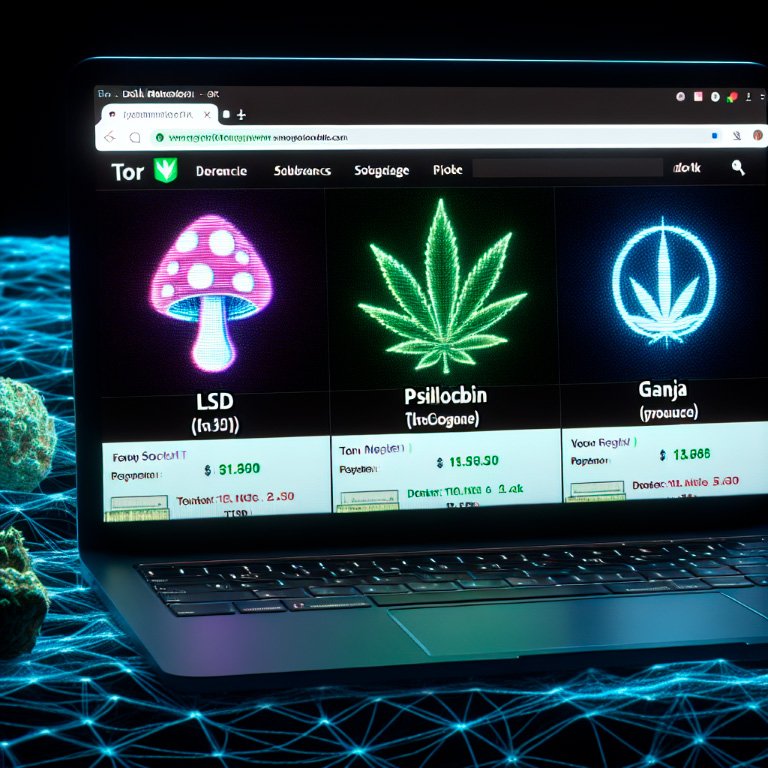
The range of products available on a darknet market list reflects a diverse digital economy. Pharmaceuticals and recreational substances form a significant category, with listings for cannabis, stimulants, and prescription medications. These items are often categorized by type, potency, and origin, with detailed vendor descriptions regarding purity. The procurement of these goods through darknet markets is viewed by many users as a matter of personal choice and harm reduction, as it allows for the verification of product quality through community feedback systems, which is not possible in unregulated street transactions.
Beyond this, darknet markets facilitate trade in digital goods and services. This includes compromised databases, software exploits, and forged documents. A market list will show platforms specializing in these areas, where sellers offer tools for digital privacy or access to information. The transaction is purely digital, with immediate delivery upon payment release from escrow.
Physical goods are also commonly traded. Counterfeit items, such as luxury apparel, electronics, and currency, are listed alongside legal items that prioritize anonymity, like certain books or privacy-focused hardware. For these products, the darknet serves as a discreet retail channel, with logistics handled through conventional mail services under protective packaging. The escrow system standard on these platforms ensures the seller ships the item before receiving payment, which secures the transaction for the buyer.
How Escrow Makes Darknet Trading Safe and Fair
Escrow services are a fundamental security feature on reputable darknet markets, acting as a neutral third party to facilitate trust between a buyer and a seller. The process begins when a buyer places an order and sends payment. Instead of the funds going directly to the vendor, the market's escrow system holds the cryptocurrency in a secure, temporary account. This mechanism ensures the seller cannot access the payment until the buyer confirms satisfactory receipt of the goods.
The protection works in stages. After the vendor ships the product, the buyer waits for delivery. Upon receiving the order, the buyer has a predetermined period to finalize the transaction. If the product is as described, the buyer releases the funds from escrow to the vendor, completing the sale. This system directly incentivizes vendors to provide high-quality products and reliable shipping, as their payment is contingent on buyer satisfaction.
Dispute resolution is a critical extension of escrow. If an order is disputeddue to non-delivery, inferior quality, or incorrect quantitythe market's moderation team intervenes. Both parties submit evidence, such as encrypted communication and tracking details. The moderators then analyze the case and can decide to:
- Release the full escrow funds to the vendor if the buyer's claim is unsubstantiated.
- Refund the full amount to the buyer if the vendor failed to meet terms.
- Split the funds in a partial refund, balancing a minor issue with an otherwise completed transaction.
This structured approach minimizes fraud. Sellers are protected from chargeback fraud common on clearnet platforms, while buyers are shielded from exit scams where vendors take payment and never ship. For optimal security, users should always utilize the market's official escrow service for transactions, avoiding any vendor requests for direct payment outside this system, which bypasses all protections.
Secure Messaging for Better Deals on the Darknet
Encrypted messaging is a standard and necessary feature for secure transactions on a darknet market list. It functions as the primary channel for direct, private negotiation between buyers and vendors, ensuring that all logistical details remain confidential. This system uses end-to-end encryption, meaning messages are scrambled and can only be read by the intended recipient, providing a layer of security that protects both parties' privacy.
The process is straightforward: after selecting a product, a buyer uses the market's built-in messaging system to contact the seller. Common topics include custom order requests, clarification on product details, or shipping arrangements. This direct line allows for a personalized shopping experience, enabling buyers to specify needs and vendors to offer tailored services. Reliable markets integrate this feature seamlessly, often with automatic PGP support, allowing users to encrypt messages with the vendor's public key for even greater security.
Effective use of this tool enhances transaction success. Buyers should communicate clearly and concisely, while vendors are typically rated on their response speed and professionalism in these exchanges. This direct communication builds trust and facilitates smooth transactions, from initial inquiry to final confirmation, making it a cornerstone of the efficient and user-focused ecosystem that a well-maintained darknet market list helps users navigate.

Using Feedback to Find Reliable and Fast Darknet Vendors
User feedback is the primary metric for assessing a darknet market's performance. It functions as a decentralized reputation system where buyers rate their transactions. This data is critical for evaluating a vendor's reliability and the speed of delivery.
Feedback typically includes several components:
- A numerical score, often out of five.
- Comments on product quality matching its description.
- Notes on shipping time and stealth of packaging.
- The vendor's communication responsiveness.
Consistent positive feedback across hundreds of transactions indicates a stable vendor. Patterns in negative reviews reveal common issues, such as slow shipping or poor communication. Markets with robust feedback systems allow for efficient filtering, enabling buyers to connect with the most dependable sellers and fostering a more predictable trading environment.
How to pick a good darknet market for your shopping
Selecting an appropriate darknet market is a process of matching specific requirements to the available platforms. A user's primary needs dictate the search criteria. For instance, a buyer prioritizing product variety will assess the breadth of categories and the number of active vendors, while a user focused on security will examine the implementation of end-to-end encryption for messages and the robustness of the escrow system.
The analysis begins with the market's core features. Key technical aspects to evaluate include:
- The type of escrow: multi-signature or centralized admin-held.
- Accepted cryptocurrencies, with Monero often preferred for enhanced privacy.
- The presence of a mandatory PGP login or messaging system.
User reviews and forum feedback provide operational data. Consistent reports of fast shipping or stealth packaging from specific vendors are practical indicators. Conversely, patterns of complaints about support resolution times or fund withdrawal delays highlight potential risks. A market's longevity and its history of resolving disputes fairly are significant, though not infallible, metrics of stability.
Ultimately, the fit is determined by balancing these factors. A market with a slightly higher fee structure may be justified by its superior operational security and responsive support, leading to a more reliable and secure shopping experience. The process is iterative, often requiring consultation of updated darknet market lists to verify current status and user sentiment before engagement.