Darknet Markets 2026:
The dark web is part of the deep web but is built on darknets: overlay networks that sit on the internet but which can't be accessed without special tools or software like Tor. Tor is an anonymizing software tool that stands for The Onion Router — you can use the Tor network via Tor Browser.
| Darknet Market | Established | Total Listings | Link |
|---|---|---|---|
| TorZon Market | 2022 | 140+ | Onion Link |
| Nexus Market | 2024 | 600+ | Onion Link |
| Abacus Market | 2022 | 100+ | Onion Link |
| Ares | 2026 | 100+ | Onion Link |
| Cocorico | 2023 | 110+ | Onion Link |
Updated 2026-10-22
How Darknet Markets Work Like Modern Online Shopping
The modern darknet marketplace operates as a sophisticated e-commerce platform, mirroring the functionality and user experience of mainstream online retailers. This digital storefront model has standardized the process of acquiring substances, moving it from street-level interactions to a streamlined, browser-based interface. Vendors maintain detailed shop pages with catalogs, while buyers can browse, compare, and select products using search functions and category filters. The entire ecosystem is built on principles of efficiency and discretion, removing geographical barriers and enabling direct peer-to-peer commerce. This structure creates a consistent and predictable environment for transactions, which is a significant evolution from traditional, less organized methods of distribution.
Financial transactions are conducted exclusively using cryptocurrencies like Bitcoin or Monero. This method provides a layer of financial privacy for both parties, as payments are not tied directly to personal bank accounts or identities. The process is integrated into the marketplace's workflow, often involving the generation of a unique payment address for each order. The use of crypto automates the payment step, making it instantaneous and borderless, which is a core component of the model's global reach and operational resilience.
Security and privacy are foundational, achieved through the mandatory use of encrypted communication. All messaging between buyers and vendors occurs within the marketplace using PGP-encrypted notes, ensuring that addresses and order details remain confidential and protected from interception. This encrypted channel is as critical as the payment system, establishing a secure conduit for the logistical exchange of information necessary to complete a delivery without compromising the anonymity of either party.
Trust is generated and maintained through a transparent user feedback and rating system. After each completed transaction, buyers can leave detailed reviews and score the product's quality and the vendor's service. This creates a reputation economy where vendors with consistently high ratings and positive reviews rise to the top of search results. New buyers can make informed decisions based on this accumulated social proof, significantly reducing the risk of fraud. High-rated vendors have a strong economic incentive to maintain quality and reliability, as their business depends on their reputation score.
To further mitigate risk, most platforms employ a mandatory escrow service. The buyer's cryptocurrency payment is held in escrow by the marketplace software until the order is confirmed as received. Only then is the funds released to the vendor. This system protects the buyer from vendors who might not ship the product, while also assuring the vendor that payment is secured and cannot be reversed arbitrarily. For higher-value transactions, a trusted third-party moderator may be involved in dispute resolution, reviewing encrypted communication and evidence before releasing funds.
The product selection is vast and meticulously cataloged. Listings include high-resolution photographs, detailed descriptions of effects, and precise dosage information. A critical differentiator from street markets is the emphasis on product verification. Independent vendors often fund chemical analysis of their batches through associated testing services, and the resulting purity percentages or chromatograms are posted alongside the product listing. Some listings also include information on the substance's suspected synthetic origin or geographical region of cultivation, adding a layer of transparency that appeals to informed consumers.
How Crypto Makes Buying on the Darknet Easy and Secure
The adoption of cryptocurrency is the fundamental financial innovation enabling the modern darknet marketplace. Unlike traditional payment systems, cryptocurrencies like Bitcoin and Monero provide a layer of transactional anonymity and security that aligns perfectly with the operational requirements of these platforms. Payments are processed directly between wallets, recorded on a public ledger, but without directly linking real-world identities to the financial activity.
This system offers distinct advantages for both buyers and vendors. For the user, it simplifies the process to a direct transfer, eliminating the need for intermediaries like banks. The transaction is pseudonymous, fast, and borderless. For the marketplace itself, cryptocurrency mitigates the risk of chargebacks and fraud that plague conventional e-commerce, ensuring that funds are irrevocably transferred upon confirmation on the blockchain.
The evolution towards privacy-centric coins marks a significant development. While Bitcoin offers pseudonymity, its blockchain is transparent, allowing for potential analysis. Coins like Monero address this by obfuscating transaction details through cryptographic techniques, making the amount, sender, and receiver truly private. This provides a stronger guarantee of financial privacy for all parties involved.
From a functional perspective, the payment workflow is integrated into the marketplace's escrow service. Funds are sent to a multisignature escrow wallet controlled by the platform, not directly to the vendor. This holds the payment securely until the buyer confirms receipt and quality of the product, at which point the funds are released. This mechanism, powered by cryptocurrency's programmable nature, is a core component in building trust within a trustless environment.
Private Messaging for Safe Transactions
The operational security of a modern darknet marketplace is fundamentally dependent on its communication protocols. These systems employ end-to-end encryption, ensuring that all messages between a buyer and a seller are scrambled and can only be deciphered by the intended recipient. This method prevents any intermediary, including the marketplace platform itself, from accessing the content of the communication.
Platforms typically integrate encrypted messaging directly into their interface, often utilizing open-source and audited cryptographic standards like PGP (Pretty Good Privacy). Users generate a unique pair of cryptographic keys: a public key for encrypting messages, which is shared on their profile, and a private key for decrypting them, which remains solely on their device. This architecture means that even if marketplace data were compromised, the actual conversation content regarding orders and addresses would remain protected.
The practical workflow is straightforward:
- A buyer retrieves the seller's public key from their vendor profile.
- The buyer writes their shipping details, encrypts them with the seller's public key, and sends the encrypted text.
- Only the seller, using their corresponding private key, can decrypt and read the sensitive information.

How Ratings Make Buying on the Darknet Safer
The user rating system is the foundational mechanism for establishing trust within a modern darknet marketplace. Unlike traditional retail, these platforms operate without formal regulatory oversight, making community-driven verification the primary tool for quality assurance and vendor accountability. A detailed feedback section for each product listing and vendor profile transforms subjective user experience into an objective, quantifiable metric.
Potential buyers analyze several key components within the rating data:
- The numerical score and volume of reviews, indicating consistent performance.
- Detailed written comments describing product accuracy, shipping speed, and stealth packaging.
- Vendor's historical response to any negative feedback, demonstrating commitment to service.
This transparent archive of past transactions creates a powerful reputation economy. Vendors with high, sustained ratings gain a competitive advantage, incentivizing them to maintain product purity and reliable service. Conversely, a pattern of negative reviews serves as an immediate community warning, effectively policing the marketplace from within. The system creates a self-regulating environment where trust is built not on promises, but on the aggregated, verifiable experiences of previous customers.
How Escrow Makes Darnet Drug Deals Safe and Fair
The escrow system is a fundamental component of trust in a darknet marketplace. It acts as a neutral third-party holding service for funds during a transaction. When a buyer places an order, their cryptocurrency payment is held in escrow by the marketplace software. The seller is notified and ships the product. Only after the buyer receives the order and confirms its satisfactory condition are the funds released from escrow to the seller's account.
This mechanism directly addresses the inherent risk of anonymous trade. It protects the buyer from fraudulent sellers who might not ship products after payment. Simultaneously, it assures the seller that the buyer has committed funds and cannot simply reclaim them after receiving the goods without cause. The system creates a balanced, incentive-aligned environment where both parties benefit from honest completion of the deal.
The process typically follows a clear sequence:
- Buyer orders and submits payment to the platform's escrow.
- Seller is informed and dispatches the product.
- Buyer receives the package and finalizes the order, triggering escrow release.
- If issues arise, the buyer can open a dispute, freezing the funds until mediation by marketplace moderators resolves the conflict.
Escrow transforms the darknet from a purely risky endeavor into a functioning reputation-based market. It forces accountability and provides a structured resolution path for problems, which in turn encourages consistent quality and reliable service from vendors seeking to build a positive history and secure future sales.
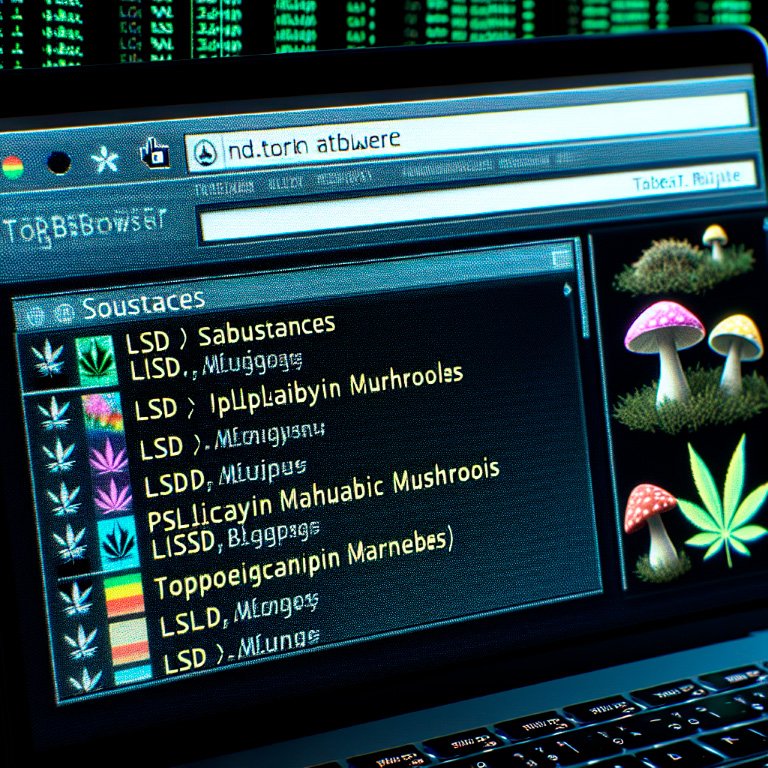
A Clear and Detailed Darknet Product Catalog
The product catalog of a modern darknet store functions as a digital inventory that surpasses the scope of any traditional street-level operation. Listings are organized with precision, categorized by substance type, chemical composition, and intended effect. Each product features a detailed description, including the chemical name, expected purity level, average weight or unit count, and a clear photograph. This level of detail allows for informed decision-making, moving the transaction from a speculative gamble to a calculated procurement based on standardized information.
Vendors compete on quality and transparency, leading to comprehensive product specifications. A typical listing will include:
- Batch-specific laboratory analysis results indicating purity percentages and the absence of harmful adulterants.
- Explicit information regarding the substance's origin or synthesis method.
- Precise dosage guidelines and onset/duration timelines for psychoactive substances.
How Purity and Origin Info Builds Trust on the Darknet
The provision of detailed substance purity and geographic origin data represents a fundamental shift in darknet commerce, moving it toward a model of informed consumer choice. Vendors now routinely include quantitative laboratory analysis results with their listings, often from third-party testing services. These reports specify the exact percentage of the active compound, such as MDMA or cocaine, and list identified adulterants.
This transparency serves multiple functions. For the buyer, it allows for accurate dosage calculation, directly enhancing safety by mitigating the risks associated with unknown potency or harmful cutting agents. Knowledge of a substance's synthetic pathway or botanical source region also informs expectations regarding effects and quality. A cocaine listing might specify an origin in the Chapare region, while LSD could be described as synthesized from ergotamine sourced in Europe.
The market incentivizes this practice through its reputation systems. Vendors who consistently provide verified, accurate data build greater trust and credibility, which translates into higher sales volumes and the ability to command premium prices. Consequently, the listing of purity and origin is not merely informational but a key competitive asset. It creates a feedback loop where consumer demand for safety and quality pushes vendors to seek better, more verifiable products and to disclose their specifications, raising the standard for the entire marketplace.

How the Darknet Made Buying Easier and Safer
The evolution of distribution on the darknet represents a fundamental shift from traditional street-level drug markets. The primary change is the transition to a logistics-based model, where geographic proximity between buyer and seller is no longer a prerequisite. A customer in one country can reliably source products from a vendor on another continent, with the entire process managed through postal and courier services. This system leverages standard commercial shipping networks, effectively democratizing access to a global inventory regardless of local supply constraints.
Access has been streamlined through the design of darknet marketplaces, which function with a usability akin to conventional e-commerce platforms. The barrier to entry is lowered to possessing a cryptocurrency wallet and knowing how to access the Tor network. This structure creates a disintermediated environment, removing the need for physical meetings and the associated risks. The result is a more discreet and convenient access point for consumers, who can browse, compare, and order from the privacy of their homes. The market's operational hours are continuous, unaffected by time zones or offline realities.
The mechanism driving this system relies on several key components:
- Cryptocurrency payments enable seamless and borderless financial transactions.
- Detailed product listings, including photographs and lab results, replace uncertain verbal agreements.
- Vendor rating systems and escrow services mitigate the risk of fraud for the buyer.
- Encrypted communication ensures transactional privacy and security throughout the process.
Consequently, the darknet marketplace has established a new paradigm for distribution, characterized by its global reach, operational resilience, and user-centric design. It functions as a decentralized network that adapts to enforcement pressures by migrating or restructuring, maintaining consistent access for its user base. This model has proven to be robust, creating a persistent and evolving commercial ecosystem for substances that operates parallel to, yet distinctly separate from, conventional physical distribution channels.
How Feedback Builds Trust in Darknet Drug Trade
The reputation system is the central mechanism for establishing trust in a modern darknet marketplace. Unlike traditional commerce, these platforms cannot rely on legal contracts or institutional guarantees. Instead, they create a self-regulating reputation economy where every transaction contributes to a participant's public score.
Vendors accumulate feedback over time, with detailed user ratings covering:
- Product quality and accuracy of the description
- Shipping speed and stealth of packaging
- Communication effectiveness and professionalism
This transparent history allows buyers to make informed decisions, consistently favoring vendors with high ratings and extensive transaction records. The system incentivizes honest business practices, as a single significant complaint can damage a vendor's standing and future sales. For buyers, maintaining a good rating by finalizing orders and providing useful feedback can grant access to premium vendors or private listings. The collective result is a market that polices itself through crowdsourced verification, where financial success is directly tied to maintaining a positive digital reputation.